Investing in trenchless equipment is about more than choosing a machine. The equipment you purchase can influence the types of projects you take on, the pipe sizes you can work in, how efficiently your crew operates, and how prepared you are when conditions change on the jobsite.
Whether you are building your first trenchless setup or expanding an existing operation, the goal should be to create a system that fits the work you actually perform.
Choosing the right equipment can be intimidating. Between inspection cameras, high-speed drain cleaning equipment, jetters, point repair equipment, trenchless pipe lining equipment, curing systems, liners, resins, and the tools that help bring the entire trenchless workflow together, it’s hard to know where to start
\
This trenchless equipment buyer’s guide breaks down some of the major equipment categories contractors should consider and the questions worth asking before making an investment.
Start With the Work You Want to Perform
Before comparing machines, features, or prices, think about the applications you want your business to handle.
Trenchless pipe repair can include several different processes. One contractor may primarily perform drain cleaning and sectional pipe repair utilizing trenchless point repair methods, while another may focus on complete CIPP lining projects.
Consider questions such as:
- What pipe diameters do you commonly encounter?
- Are you primarily working in residential, commercial, or larger applications?
- What pipe lengths do we typically work with?
- Do you want to offer point repair, full-length rehabilitation, or both?
- How will you prepare the host pipe?
- What installation and curing methods do you plan to use?
- How many people will typically be on the jobsite?
- Can the equipment grow with our operation?
There is no single piece of trenchless equipment that answers every one of these questions.
Instead, think about the entire process and how each piece of equipment fits into it.
Inspection Equipment: Know What You Are Working With
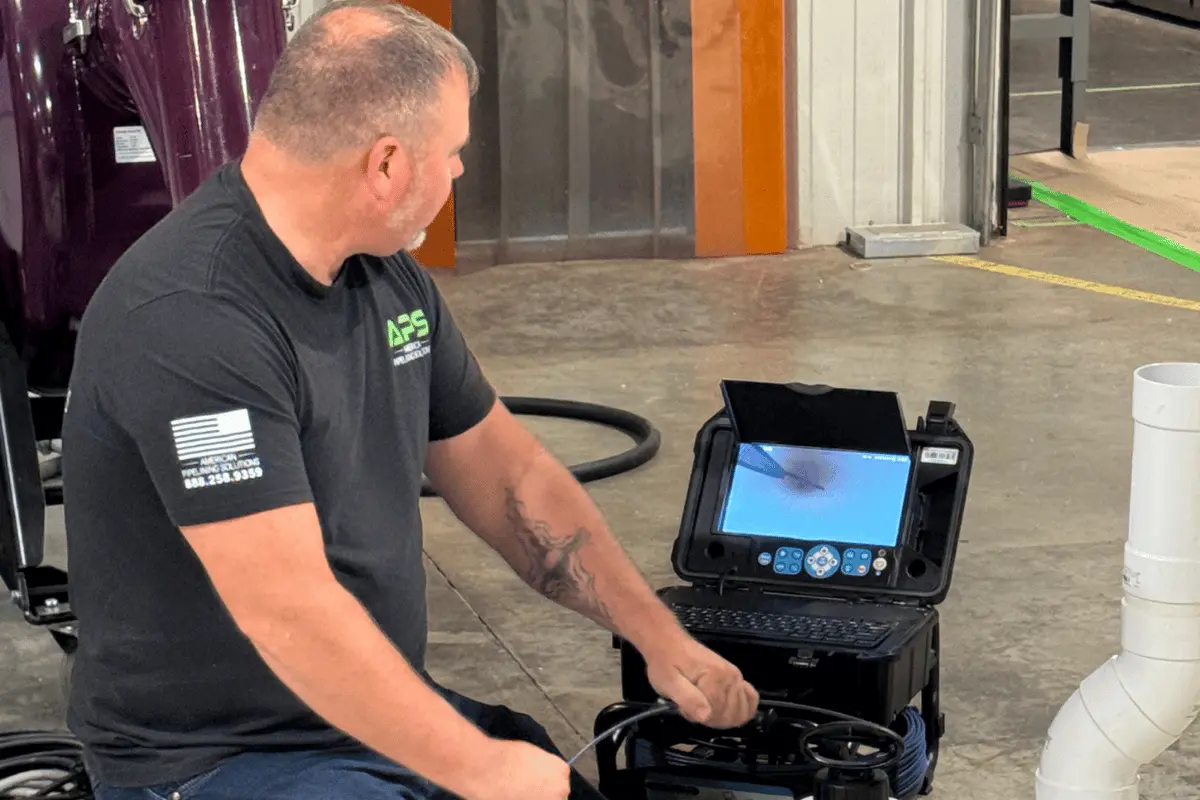
A successful trenchless project starts with understanding the condition of the existing pipe. A sewer camera inspection can help identify roots, cracks, scale, standing water, offset joints, obstructions, deterioration, and other conditions that may influence the next step. That makes a reliable pipe inspection camera an important part of a trenchless equipment setup.
When comparing inspection cameras, consider the pipe-size range, push rod length, camera head design, recording capabilities, locating features, portability, and serviceability.
APS Quick Sight Cameras are available for applications ranging from 1.5-inch to 6-inch pipes depending on the model. The lineup includes fixed and self-leveling camera head options, 100-foot or 130-foot push rods, a 10-inch HD screen, SD card recording, a distance counter, and a built-in 512Hz sonde.
A good inspection camera should do more than help you find a problem. It should help you document it.
Before-and-after footage can be used to evaluate the host pipe, verify cleaning, document pipe patching or lining work, and show customers what was found and what was accomplished.
When shopping for a sewer inspection camera or plumbing inspection camera, also consider what happens when something eventually needs service. Quick Sight Cameras feature a modular, field-repairable design, and APS offers Quick Sight Camera parts, repair services, and support for the lineup.
Pipe Preparation: Get the Host Pipe Ready
Finding the problem is only the beginning. Before many trenchless rehabilitation projects can move forward, the host pipe needs to be properly prepared. Roots, scale, calcite, concrete, failed liner, and other obstructions may need to be removed. This is where high-speed drain cleaning and cutting equipment becomes an important part of the trenchless workflow.
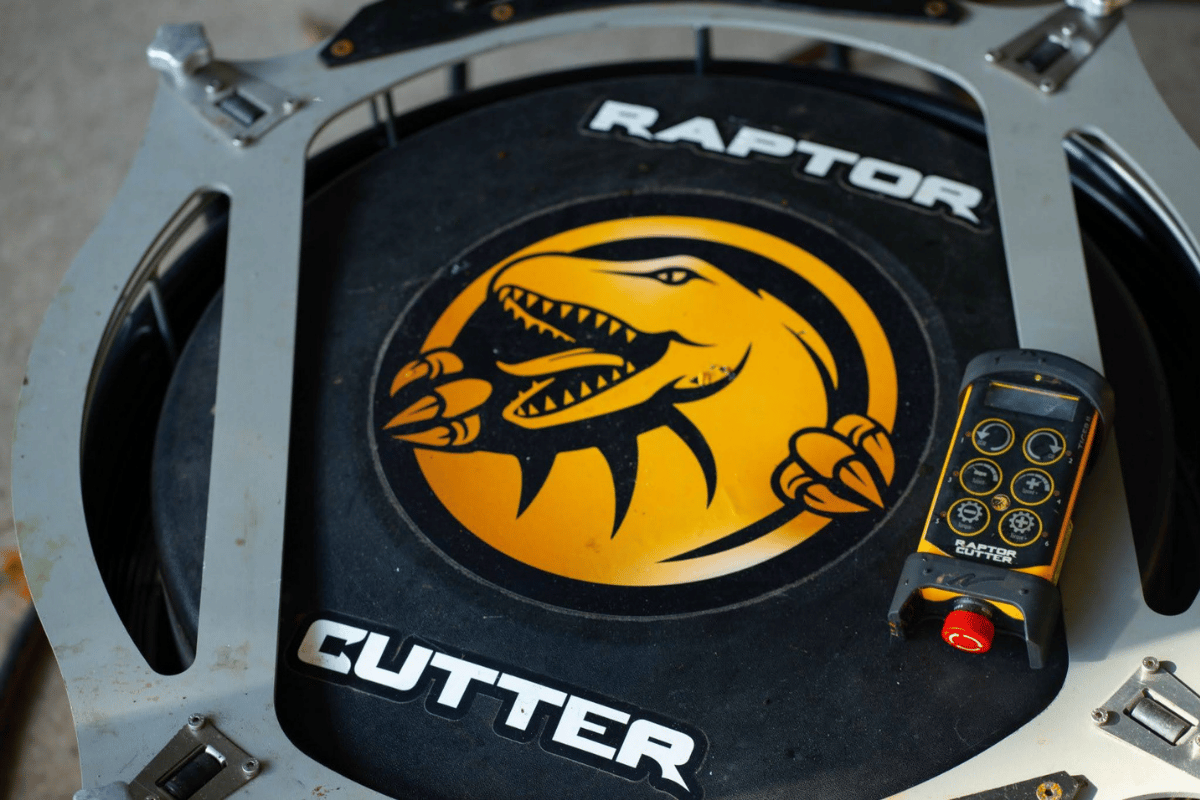
The Raptor Cutter is APS’s high-speed milling system designed for applications including descaling, root removal, calcite removal, concrete and liner removal, and reinstatements.
Instead of looking for the “best drain cleaner” based on one specification, contractors should evaluate what they actually need their equipment to accomplish.
The Raptor Cutter uses interchangeable Quick Fit reels to cover a range of applications:
- 8mm x 100-foot cable reel for 2-inch to 4-inch pipes
- 10mm x 85-foot cable reel for 2-inch to 6-inch pipes
- 12mm x 75-foot cable reel for 4-inch to 8-inch pipes
The system operates on 120V power and includes variable speed and torque, forward and reverse operation, Smart Drive technology, an electronic clutch, wireless remote control & foot pedal operation, and an emergency stop.
For contractors comparing a high-speed drain cleaning machine,traditional drum machines, sectional machines, jetters,or other trenchless pipe cleaning and milling equipment, versatility matters.
A system that can move between cleaning, descaling, cutting, and reinstatement applications can become a valuable part of the overall pipe rehabilitation system.
Point Repair: Not Every Pipe Needs a Full-Length Liner
Sometimes the problem is isolated to one section of pipe. In those situations, trenchless point repair can provide a way to rehabilitate the affected area without lining the entire length.
Versa-Patch is APS’s point repair system for sectional pipe repair. Kits are available in 3-foot and 6-foot lengths with options covering 2-inch, 3-inch, 3-inch to 4-inch, and 4-inch to 6-inch applications.
The system uses silicone-coated packers designed to help navigate bends, P-traps, and transitions. Contractors can choose fiberglass structural material for added strength or a loop-stitched felt material for added flexibility depending on the application.
Versa-Patch uses silicate resin with approximately 15 minutes of working time, approximately 90 minutes of set time, and a full cure at approximately four hours.
Beyond its repair capabilities, point repair offers contractors an affordable entry point into the trenchless industry. With a relatively low initial investment, a straightforward installation process, and minimal equipment requirements compared to full-length lining systems, Versa-Patch makes it easier for contractors to expand their services without a significant upfront cost. The system is also easy to learn, allowing contractors to begin offering trenchless repairs with the proper training and support.
The potential return on investment is another major advantage because of its low startup cost, a Versa-Patch system has the potential to pay for itself in just a few completed jobs, depending on project pricing and expenses. For contractors looking to introduce trenchless solutions to their business, point repair provides a practical opportunity to generate additional revenue while building experience in pipe rehabilitation.
When comparing point repair equipment, think beyond the patch itself.
Consider:
- Repair length
- Pipe diameter
- Access to the damaged section
- Bends and transitions
- Packer selection
- Resin working and cure time
- Push or pull requirements
- Training and installation support
- Initial investment and potential return on investment
A fast cure pipe repair system can be useful, but cure time is only one part of choosing the correct repair method. The equipment, material, resin, host-pipe condition, and installation process all need to work together. With the right system and training, point repair can be both an effective rehabilitation solution and a cost-effective way for contractors to grow their trenchless capabilities.
\
CIPP Lining: Think About the Entire Installation
What is trenchless pipelining? At its core, trenchless pipe lining is a method of rehabilitating an existing pipeline while reducing the need for traditional excavation. Cured-in-place pipe, or CIPP, uses liner material installed inside the host pipe and cured to form a new pipe within the existing one.
But trenchless sewer lining requires more than liner and resin.
Contractors should think about how the liner will be prepared, measured, stored, transported, installed, and cured. The equipment surrounding the liner can have a major impact on the efficiency of the jobsite.
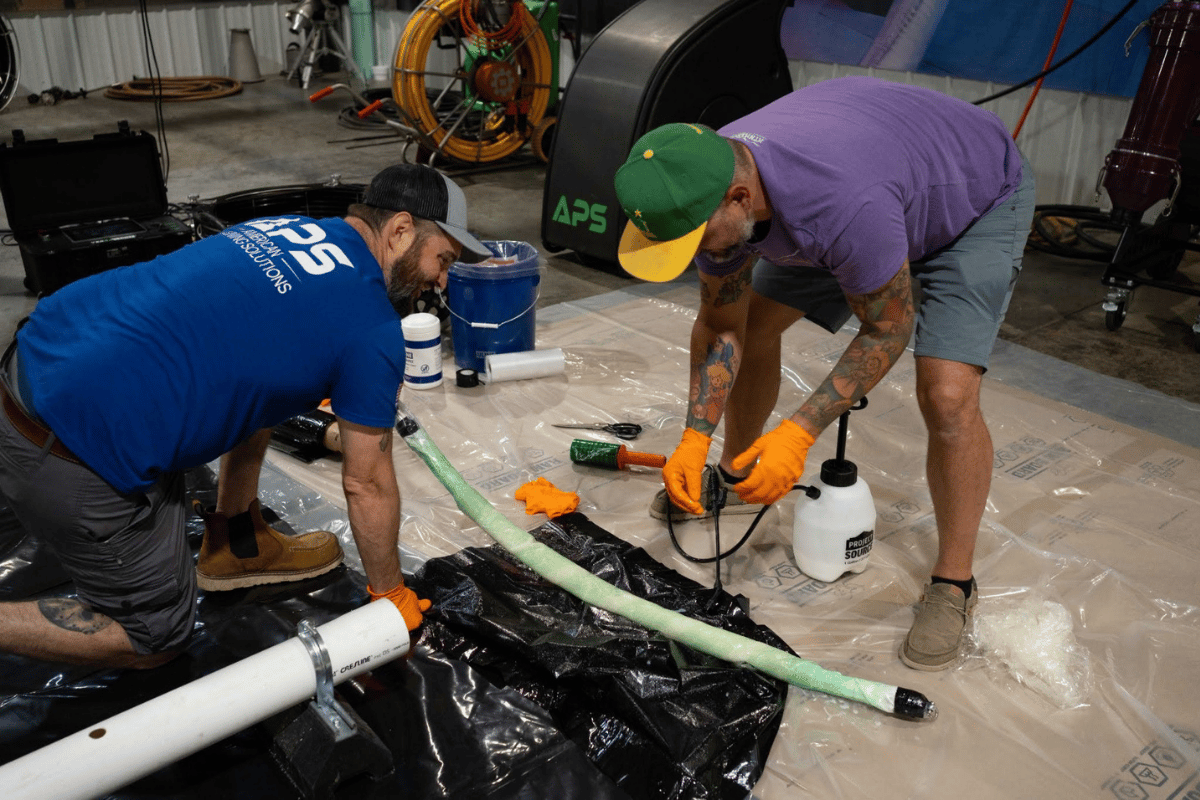
APS’s Protect & Pull system was developed to simplify liner management by giving contractors a way to stage, measure, cut, transport, dispense, and store liner.
Protect & Pull allows a single operator to dispense and cut liner while also providing the ability to respool unused liner back into the box. The system includes a material usage log and QR access to SDS information and resin charts.
For contractors performing inversion lining or other CIPP work, seemingly small parts of liner handling can affect the overall workflow.
CIPP liner storage, transportation, measurement, and preparation should therefore be considered when building a trenchless pipe lining equipment package.
\
Choosing a Curing System
Once a liner is installed, it needs to be properly cured. The appropriate curing equipment depends on the liner, resin, pipe diameter, repair length, environmental influences, and final use case of the pipe.. APS offers a variety of curing equipment designed for different trenchless applications.
Versa-Light is a portable curing platform designed for point repairs and short-to-medium rehabilitation projects. The system covers 2-inch through 8-inch applications with different light bar options depending on pipe size and repair length.
Available light bars include 2-inch, 3-inch, 4-inch, and 6-inch options in 4-foot, 12-foot, and 32-foot lengths, along with an 8-inch bar option for up to 5-foot repairs. Depending on the light bar, Versa-Light can accommodate repairs up to 30 feet. The system operates on 110V, 15-amp power and includes automated curing features, inflation and deflation controls, cool-down, vacuum functionality, and job reporting.
Think about:
- Pipe-size range
- Repair lengths
- Power requirements
- Compressor requirements
- Portability
- Push-in-place or pull-in-place delivery
- Automated controls
- Job reporting
- Training
- Repairability and service
Fast UV curing can help improve jobsite efficiency, but the equipment still needs to fit the types of projects your company performs.
Liner and Resin Are Part of the Equipment Decision
The installation and curing equipment are only part of a trenchless rehabilitation system. Liner and resin selection also affect how the project is installed and cured. Different applications may call for epoxy resin, UV resin, silicate resin, or other resin systems. Each option has different working times, curing requirements, temperature considerations, chemical resistance ratings, and ideal applications.
The same applies to liner selection. APS offers a variety of lining materials for trenchless rehabilitation applications, including options designed for different installation and curing methods. This includes Houseliner needle-punched or loop stitched felt materials, fiberglass materials, and a variety of calibration tube materials.
Before choosing a resin chemistry or liner, contractors should understand the complete system they plan to use.
Ask:
- What curing method will be used?
- What liner is compatible with that process?
- What working time does the crew need?
- What is the pipe diameter and length?
- Are bends or transitions present?
- What are the jobsite conditions?
- What is the end use of the rehabilitated drain line?
- Are there structural, chemical, or temperature requirements to consider?
Questions such as “UV resin vs epoxy” cannot always be answered with one being universally better than the other. The better question is which material and cure method fits the specific application.
Look at the Entire Trenchless Workflow
One of the easiest mistakes when purchasing pipe rehabilitation equipment is looking at each machine independently. In the field, the equipment has to work together.
A typical trenchless workflow may involve:
Inspect → Prepare → Repair or Line → Cure → Inspect Again
An inspection camera helps identify and document the condition of the pipe. A Raptor Cutter can help prepare the host pipe through cleaning, descaling, cutting, and obstruction removal. Versa-Patch can address localized defects through trenchless point repair. Liner, resin, and liner-management equipment support CIPP installations.
UV curing equipment such as Versa-Light or the UV XAIR provides a curing solution for applicable rehabilitation projects. Finally, another camera inspection can help document the completed work. Thinking about the complete process makes it easier to identify equipment gaps before they become problems on the jobsite.
Trenchless Equipment Buyer’s Checklist
| Equipment Category | What to Consider |
|---|---|
| Inspection Cameras | Pipe-size range, push rod length, fixed vs. self-leveling head, recording, sonde locating, distance counter, portability, repairability |
| High-Speed Cleaning & Cutting | Pipe-size range, cable/reel options, speed and torque control, roots, scale, calcite, concrete, liner removal, ability to cut reinstatements |
| Point Repair Equipment | Repair length, pipe diameter, packer size, bends and transitions capabilities, repair material, resin and cure time |
| CIPP Equipment | Pipe size, installation method, liner handling, measurement, storage, jobsite organization |
| UV Curing Equipment | Pipe diameter, repair length, power & air requirements, automation, delivery method, reporting |
| Liner & Resin | Cure method, working time, pipe size, bends, temperature, installation conditions |
| Training & Support | Initial training, technical support, repair availability, replacement parts, field support |
The goal is not to purchase the most equipment possible. It is to build a trenchless workflow in which every component has a purpose.
Consider the Cost Beyond the Purchase Price
Trenchless pipe lining cost is not determined by the equipment purchase alone. Contractors should consider the long-term cost of owning and operating the system.
That includes:
- Consumables
- Maintenance
- Replacement parts
- Downtime
- Training
- Repair turnaround
- Labor requirements
- Equipment versatility
- Future expansion
A lower initial purchase price may not always mean a lower cost of ownership. Likewise, buying more machines than your operation needs may not be the best use of capital. The better approach is to consider how frequently the equipment will be used, what applications it can perform, what it takes to keep it operating, and whether it allows your business to take on additional work.
Do Not Overlook Training and Support
Trenchless equipment is only as useful as your ability to operate it correctly. That makes training and support an important part of the buying decision.
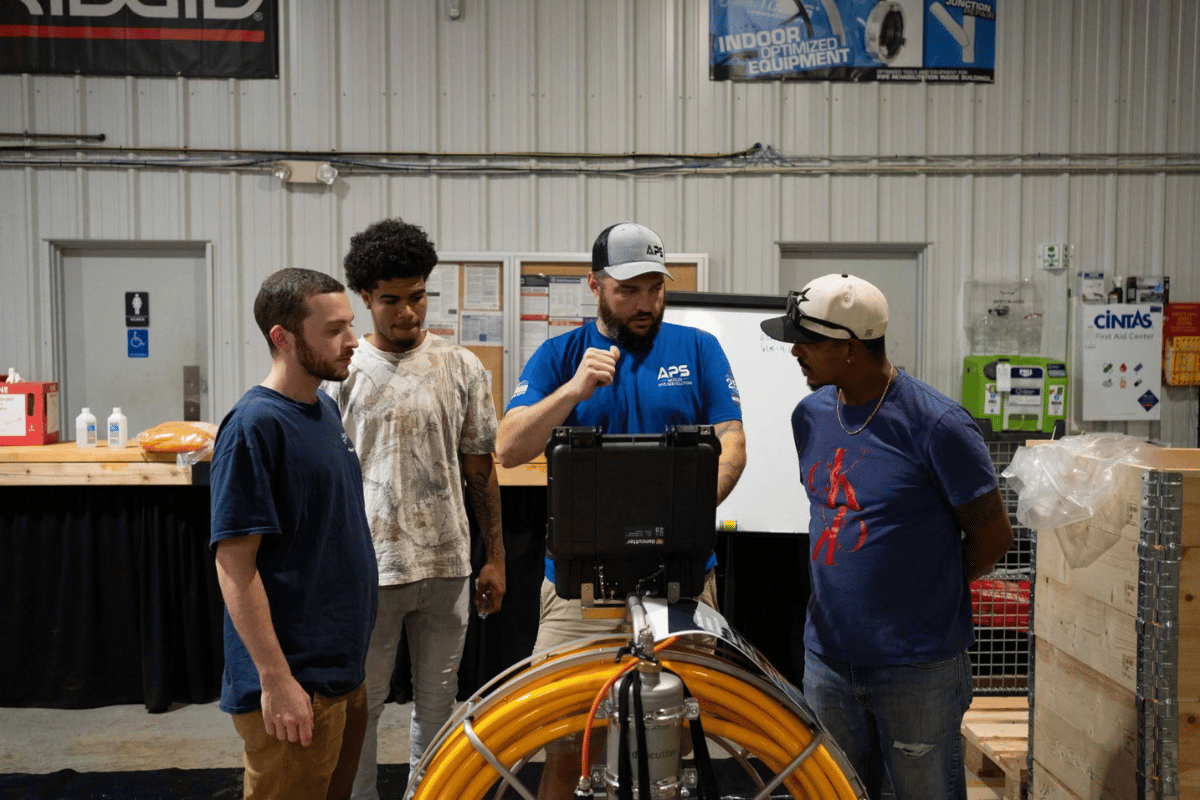
APS supports contractors through the American Pipelining Solutions Training Academy, or APSTA, with hands-on training designed around trenchless equipment and applications.
Training can help crews understand not only how equipment operates, but how the different stages of the rehabilitation process work together.
Support after training matters too. When equipment needs repair or a contractor has a question in the field, having access to people who understand your business, your equipment, and your workload can help reduce unnecessary downtime and uncertainty. APS provides technical support, repair services, equipment parts, training, and on-site support for the products and systems we offer.
When evaluating trenchless equipment, ask yourself:
Who will be there after the equipment is delivered?
That answer can be just as important as the specifications on the machine.
Build a System That Can Grow With Your Business
You do not necessarily need every piece of equipment on day one. A contractor entering trenchless pipe repair may begin with inspection, drain cleaning, and point repair. Another company may already have drain cleaning capabilities and want to add trenchless pipe lining. An established CIPP contractor may be looking for faster curing technology, better liner management, or equipment that expands their service offering. Start with the applications that make sense for your operation. Then look for equipment that gives you room to grow.
A modular approach can allow contractors to expand their capabilities as demand increases without completely rebuilding their trenchless workflow every time they add a new service.
The APS Approach
At American Pipelining Solutions, we believe buying trenchless equipment should be about more than making a transaction.
It should be about building a system that works for your business.
From Quick Sight inspection cameras and the Raptor Cutter to Versa-Patch, Protect & Pull, liners, resins, and UV curing equipment such as Versa-Light or UV XAIR, APS provides solutions designed to support different stages of the trenchless rehabilitation process.
But equipment is only part of that relationship.
Training, technical support, repair services, parts availability, and knowledgeable people behind the equipment all matter when that equipment becomes part of your everyday operation.
Whether you are getting started in trenchless pipe repair, expanding into CIPP lining, or adding new capabilities to an established operation, start with the work you want to perform.
Then build the equipment package around it.
Because the right trenchless equipment should not just help you complete the next job.
It should help prepare you for the ones that come after it.