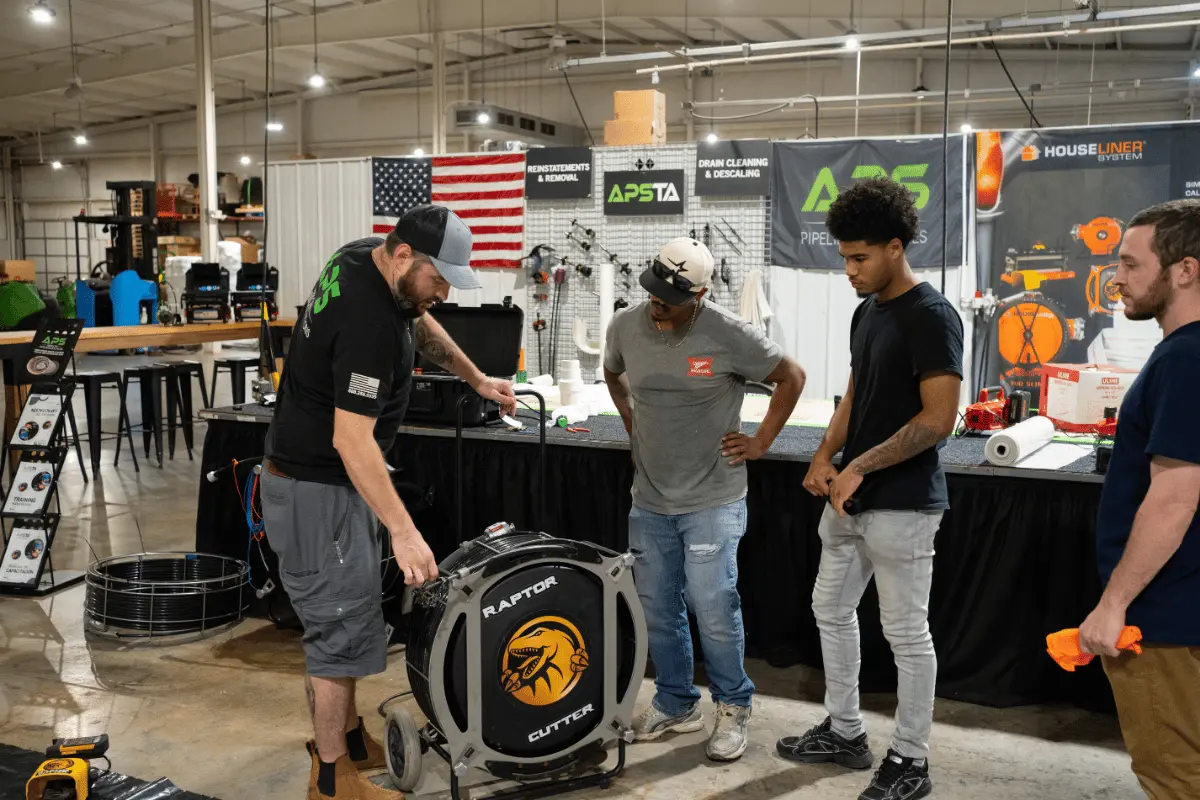
A successful pipe rehabilitation project starts with the condition of the host pipe. Before installing a CIPP liner or beginning another rehabilitation process, contractors need to understand what is inside the existing pipe and remove material that could interfere with the installation. Roots, scale, concrete, grease, failed liner, and other obstructions can restrict the pipe, hide existing damage, and make it more difficult to properly prepare the host pipe.
That is where proper inspection, high-speed drain cleaning, and the correct tooling become important. The goal is not simply to create enough room to get through the pipe. The goal is to clean and prepare the host pipe so the rehabilitation process can move forward with a better understanding of the conditions inside.
Inspect the Pipe Before You Start Cleaning
Before choosing a cutting or cleaning tool, contractors first need to understand what they are dealing with. Running an inspection camera through the accessible portion of the pipe can help identify where obstructions are located and what type of material may need to be removed.
A Quick Sight Sewer Inspection Camera can be used during the inspection process to get a better look at conditions inside the pipe before cleaning begins.
The inspection may reveal:
- Root intrusion
- Heavy scale or mineral deposits
- Grease and sludge
- Concrete
- Failed or collapsed liner
- Completely blocked sections
- Restricted lateral connections
- Other material reducing the pipe diameter
Identifying the obstruction first helps the contractor determine the next step instead of approaching every pipe with the same tool.
Removing Root Intrusion
Roots can enter a pipeline through cracks, joints, and other openings and continue growing inside the pipe. As the root mass becomes larger, it can restrict flow and collect additional debris. Before rehabilitation can move forward, that material will need to be removed so the contractor can better evaluate and prepare the host pipe.
The APS Raptor Cutter is designed for root removal and provides the cutting power and precision control needed to work through dense roots and organic debris. Depending on the application, APS also offers high-speed tooling specifically designed for root removal. The Cleaning Spider, for example, is a root cutter that can be configured with interchangeable attachments and loose chains for different cleaning applications.
After removing the roots, inspect the pipe again. The obstruction may have been hiding the actual condition of the host pipe, including the location where the roots originally entered.
Removing Scale and Heavy Deposits
Scale, corrosion, calcium, limestone, and other mineral deposits can gradually reduce the internal diameter of a pipe. Heavy buildup can also make it difficult to see the actual pipe wall during an inspection.
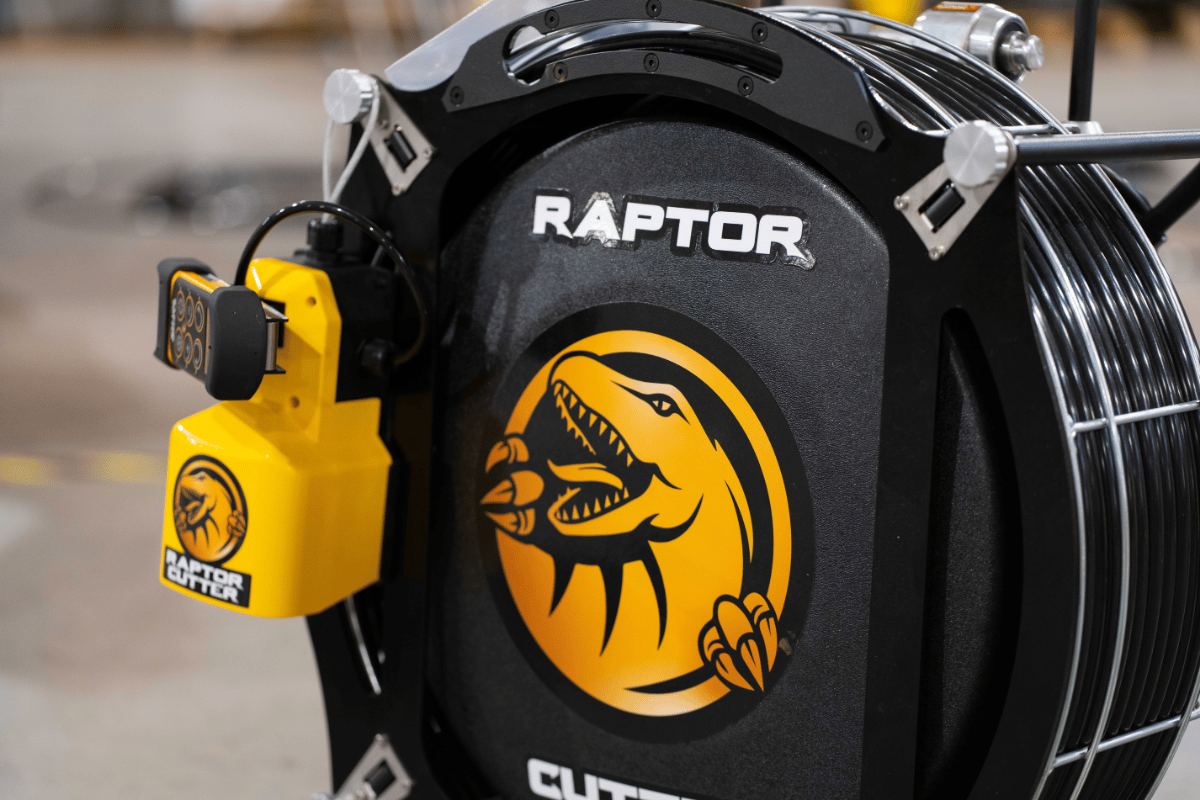
The Raptor Cutter uses variable speed and torque for controlled descaling and milling, helping contractors remove heavy deposits and prepare the host pipe for rehabilitation. APS high-speed tooling provides several options depending on the pipe material and severity of the buildup.
These include tools such as the:
- Chain Knocker for cleaning applications including plastic or fragile pipes, cast iron, and concrete
- Pipe Master CC with carbide teeth for cleaning scale and other material
- Pipe Master S for cleaning applications including grease blockages
- Pipe Master XLS for heavier material removal
- Pipe Master Cyclone Cleaner for a final cleaning pass and difficult-to-remove scale
The Pipe Master Cyclone Cleaner is specifically designed as a finishing chain to help bring cast iron, concrete, clay, or steel pipe back toward the original internal diameter of the host pipe. Removing the bulk of the buildup is important, but so is the final condition of the pipe. Pipe preparation should continue until the host pipe is ready for the rehabilitation method being used.
Removing Concrete
Concrete inside a pipe presents a different challenge than grease, roots, or ordinary buildup. It requires tooling designed to cut and remove hard material.
APS offers high-speed tooling for these more aggressive applications. The Star Cutter, for example, uses a Driller Head and carbide-tipped Cutting Plate and is specifically designed for removing concrete and collapsed liners. When dealing with hard obstructions, contractors should choose tooling based on the material they are trying to remove and the conditions of the pipe.
The goal is controlled material removal while preparing the host pipe for the next stage of the job.
Clearing Completely Blocked Pipes
Sometimes there is not enough of an opening to immediately begin normal cleaning. A pipe may be completely clogged or contain an obstruction that prevents other tooling from moving through the line.
APS’s Driller Head is designed for unclogging completely blocked pipes. It can be mounted in front of a Chain Knocker or other tooling to help create an initial opening through the obstruction. Once access has been established, additional tooling can be used to continue cleaning and preparing the pipe.
This is another reason there is no single tool for every pipe. Opening the blockage may only be the first step. Additional cleaning may still be necessary before the host pipe is ready for rehabilitation.
Removing Failed or Collapsed Liner
Pipe preparation does not always mean cleaning an original host pipe. Sometimes contractors are dealing with a previous CIPP installation that needs to be corrected.
A liner may collapse, cure improperly, or otherwise restrict the pipe. In those situations, hardened liner and resin material may need to be milled out before the pipe can be accessed and rehabilitated again. The Raptor Cutter can be used to mill resin slugs and fully cured liner material for CIPP correction work.
APS also offers several tooling options for liner removal. The Cyclone Cutter is designed for overshot liner removal, while the Pipe Master CC and Star Cutter can be used for applications involving collapsed liner.
Removing failed material gives contractors the opportunity to regain access to the host pipe and determine what needs to happen next.
Removing Grease, Sludge, and Soft Blockages
Not every obstruction requires aggressive cutting. Grease, sludge, paper, hair, and other soft material can still restrict flow and prevent contractors from getting a clear look at the pipe.
The Raptor Cutter can be used for soft blockages, including heavy grease buildup and organic material in residential and commercial lines. The APS high-speed tooling lineup also includes tools intended for cleaning applications involving grease and other buildup.
Use the Right Tool for the Obstruction
High-speed drain cleaning is not simply about spinning a tool inside a pipe. Different obstructions and pipe conditions call for different tooling.
APS offers professional high-speed tooling across cleaning, cutting, and sanding applications. The lineup includes Chain Knockers, Cleaning Spiders, Pipe Masters, Driller Heads, the Star Cutter, Cyclone Cutter, RZ Grinder, and additional tooling designed for different stages of pipe cleaning and preparation.
Before selecting a tool, consider:
- What material needs to be removed
- The pipe material
- Pipe diameter
- The amount of buildup
- Whether the pipe is completely blocked
- Whether failed liner is present
- Whether aggressive cutting or finishing is needed
- The condition you need the host pipe to be in afterward
The right tool is the one that fits the pipe, the obstruction, and the goal of the cleaning process.
Cleaning Is Only Part of Pipe Preparation
Removing an obstruction does not necessarily mean the pipe is ready for rehabilitation. Once the majority of the material has been removed, additional cleaning or finishing may be necessary.
APS offers the RZ Grinder for drain cleaning and sanding applications. Its design pushes sandpaper outward against the pipe wall, and operators can adjust torque and speed based on pipe conditions.
Finishing tools can play an important role when preparing the pipe surface after heavier material has already been removed. The goal is to move through the cleaning process in stages when necessary rather than assuming one pass with one tool will handle every condition.
Inspect the Pipe Again
The first camera inspection tells you what you can see before cleaning. The second inspection can tell you what was underneath it.
Roots may hide damaged areas. Heavy scale may prevent a clear view of the host pipe. Concrete or failed liner may keep the camera from reaching portions of the line altogether. After cleaning, run the inspection camera through the accessible pipe again.
A post-cleaning inspection can help contractors:
- Confirm that obstructions were removed
- Check the remaining pipe diameter
- Look for material that requires another cleaning pass
- Evaluate areas that were previously hidden
- Determine whether additional preparation is needed
- Get a clearer view of the host pipe before rehabilitation
Using an inspection camera before and after cleaning creates a more complete picture of the pipe rather than relying only on what was visible during the initial inspection.
Do Not Rush Pipe Preparation
Pipe cleaning is not just another box to check before lining. It is part of the rehabilitation process.
Leaving roots, heavy scale, concrete, failed liner, or other material inside the pipe can make the next stage of the job more difficult. Proper preparation provides a cleaner host pipe and a clearer understanding of the conditions they are working with.
Take the time to inspect the pipe, identify the obstruction, choose the appropriate tooling, remove the material, finish the pipe as needed, and inspect it again. The condition of the host pipe matters significantly when deciding what the correct repair path forward is.
The APS Approach
At American Pipelining Solutions, we believe contractors should have the equipment, tooling, training, and support needed to handle the entire pipe rehabilitation process.
The Raptor Cutter provides variable speed and torque, interchangeable QuickFit® cable reels, wireless controls, and high-speed performance for applications ranging from grease and root removal to heavy descaling and cured liner removal. APS also offers a complete lineup of high-speed drain cleaning tools for cleaning, cutting, sanding, reinstatements, and other pipe preparation applications.
Combined with proper inspection before and after cleaning, contractors can better understand the condition of the pipe and prepare it for the next step.
For help selecting a Raptor Cutter or the right high-speed tooling for your application, contact American Pipelining Solutions at (888) 258-9359.