CIPP liner is one of the most important materials contractors manage throughout the trenchless pipe rehabilitation process. Before that liner is ever installed, it will need to be stored, transported, measured, cut, prepared, and moved around the job site. How contractors manage that material throughout each of those stages can have a direct impact on organization, efficiency, and material waste. That makes CIPP liner storage more than simply finding an open space in the shop or trailer.
Liner needs to remain protected and organized from the time it is stored until crews are ready to prepare it for installation. UV exposure, abrasions, punctures, unnecessary handling, and poor organization can all create challenges before a liner ever enters the host pipe. For contractors investing in trenchless pipe lining equipment and materials, protecting that investment should be part of the overall trenchless workflow.
APS Protect & Pull was developed to create a more controlled way to store, transport, measure, cut, and manage CIPP liners. Instead of treating liner storage as a separate part of the process, contractors can make material management part of the workflow from the shop to the job site.
CIPP Liner Storage Starts With Protecting the Material
Proper liner management starts well before installation. CIPP liners may move between a warehouse, shop, trailer, truck, and job site before crews are ready to begin the lining process. During that time, the material still needs to be protected.
The Protect & Pull system from American Pipelining Solutions is designed to protect liner from UV rays, abrasions, punctures, and environmental exposure during storage and transportation.
That protection matters because a liner is not simply another piece of trenchless equipment that can be tossed into a truck or stacked wherever space is available. It is material that will eventually become part of the rehabilitated pipe. Protect & Pull keeps that material contained within a compact system rather than leaving contractors to manage loose rolls of liner throughout storage, transportation, and job preparation.
Keeping liner protected also creates a more organized starting point for the next stage of the project. When it is time to measure, cut, and prepare material, crews already know where the liner is and how it has been stored. Good CIPP liner storage should protect the material while also making the next step easier.
Why CIPP Liner Organization Matters
Organization can have an impact on more than the appearance of a shop or trailer. Loose rolls of liner take up space and require crews to manage the material each time it needs to be moved, measured, or prepared. Liners can become tangled or unnecessarily handled while contractors are trying to access the amount of material needed for a particular project.
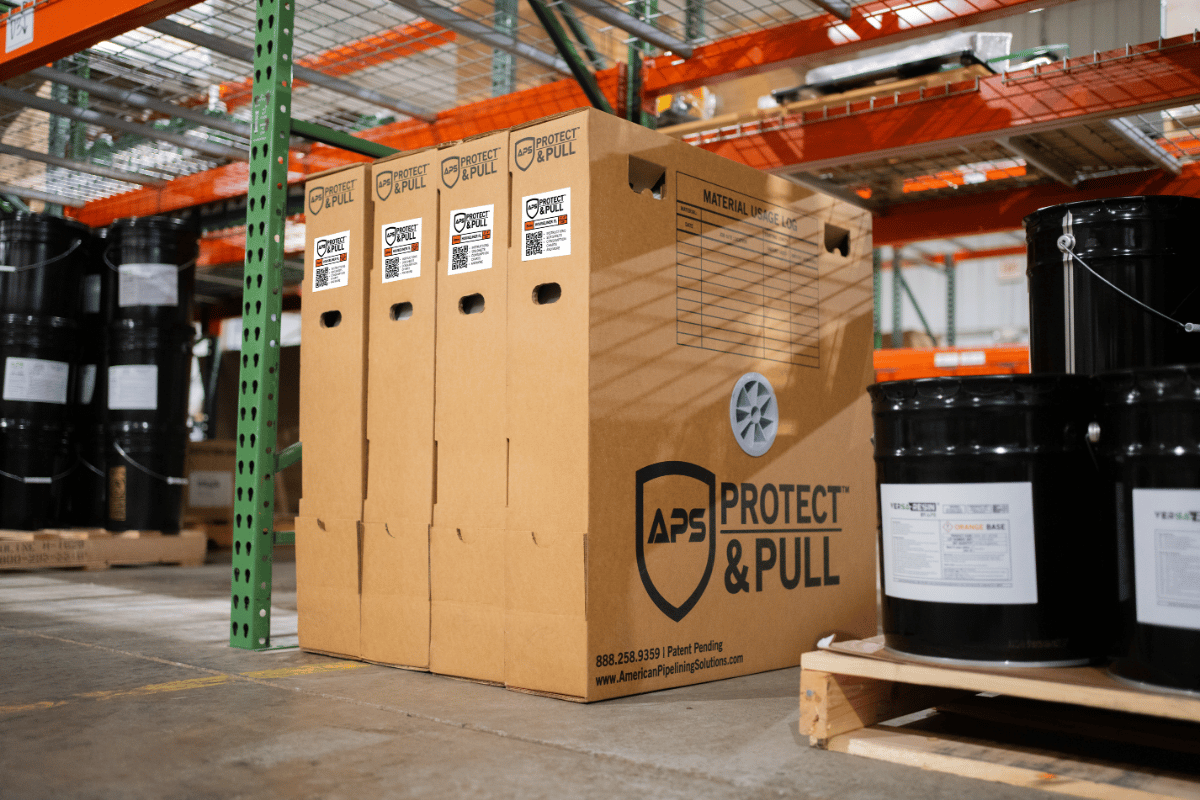
Protect & Pull creates a contained liner management system that can be incorporated into a contractor’s existing workflow. Its compact design allows the system to fit into trucks, trailers, and storage areas while keeping the liner protected and organized. Instead of finding a new way to store and manage a loose roll every time it moves, contractors have a consistent system from storage through job preparation.
For companies performing trenchless pipe lining, that consistency can be valuable. A successful trenchless operation depends on more than what happens inside the pipe. Equipment, liner, resin, tools, and other materials all need to move through the project efficiently. Creating a dependable process for CIPP liner storage and material tracking helps contractors stay organized, monitor material usage, reduce waste, and simplify their overall trenchless workflow.
Reducing CIPP Liner Waste Starts Before You Cut
Material waste does not only happen during installation. It can begin much earlier through unnecessary handling, poor organization, or damage that occurs while the liner is being stored and transported. That is why contractors should think about waste reduction as part of the complete liner management process.
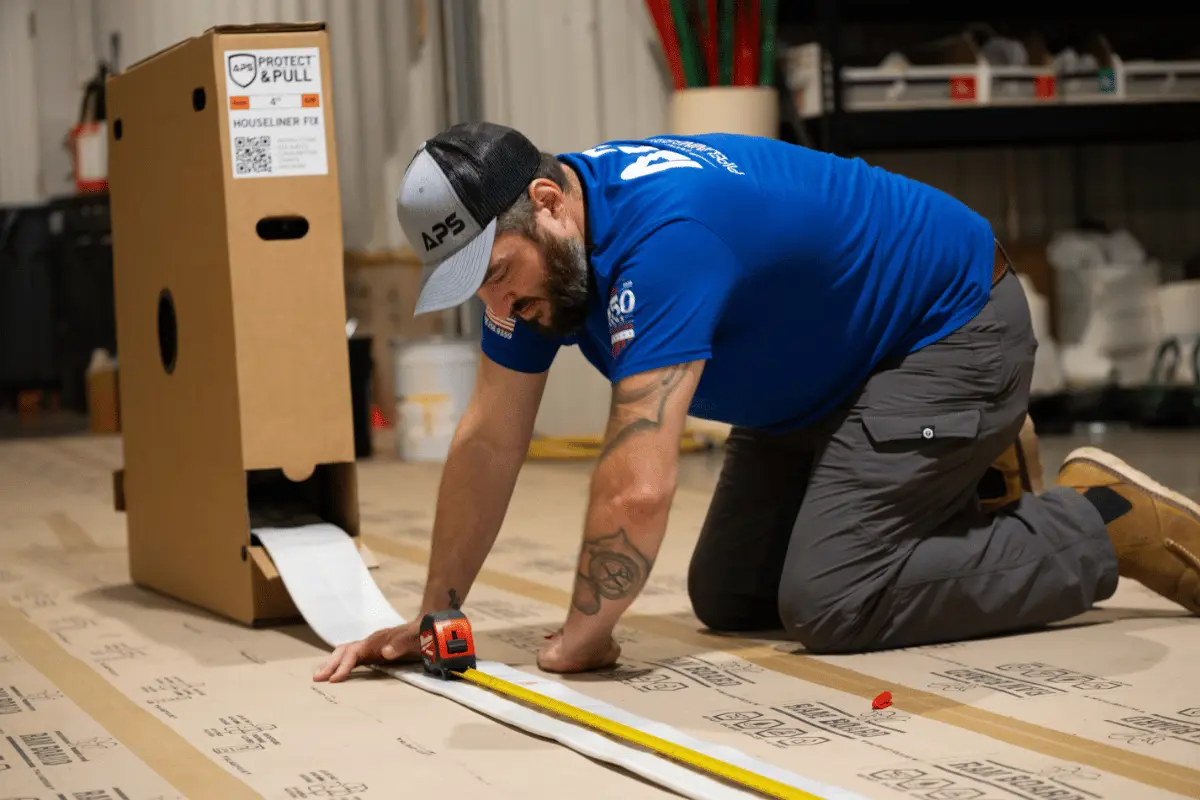
Protect & Pull helps keep the liner contained and protected until it is needed. When crews are ready to prepare material, one technician can pull, measure, and cut the amount of liner required directly from the system. The remaining liner stays contained. This creates a more controlled approach than repeatedly handling an entire loose roll whenever a section of liner is needed.
It also encourages crews to be more mindful of how much liner they use on each job. By measuring carefully, cutting only what is needed, and properly storing the remaining material, contractors can reduce unnecessary waste and make better use of their inventory. Being intentional with material usage not only helps control costs but also ensures valuable liner is available for future projects
Measure and Cut the Liner You Need
Accurate material management is an important part of a well-organized trenchless workflow. Protect & Pull is designed so a single technician can dispense, measure, and cut liner from the box. Contractors can access the material required for the job without having to completely remove and manage the remaining liner. That makes liner preparation easier to incorporate into the overall project workflow.
Consider how many stages liner may go through before installation:
It needs to be stored, transported, measured, cut and prepared for installation and the remaining material still needs to be managed afterward. A liner management system that supports several of those stages can reduce the amount of unnecessary movement and handling between them.
Whether a contractor is preparing material for a CIPP installation on a jobsite or organizing material in their shop for an upcoming project, having control over the amount of liner being dispensed can help create a cleaner and more repeatable process.
Keep the Remaining Liner Organized for the Next Job
What happens to the liner left over after a project? That question is an important part of reducing material waste. The remaining material may still be usable on another project, but only if contractors can continue to protect, store, and manage it properly.
Protect & Pull allows unused liner to be respooled back into the box after material has been dispensed. Instead of leaving the remaining liner loose after cutting what is needed, contractors can return the material to the contained storage system.That creates a better transition from one job to the next. The liner can remain organized inside Protect & Pull until crews need it again.
For contractors performing trenchless sewer lining regularly, that can be particularly useful. Material is continually moving through the business as projects are completed and new ones are scheduled. Keeping the remaining liner protected and organized helps contractors prepare for what comes next.
Track Your Liner Usage
Physical storage is only one part of material management. Contractors also need to know what they have used. Protect & Pull includes a built-in job log on the side of the box, allowing technicians to record job details and material usage as liner is dispensed. This provides a straightforward way to keep track of material from project to project.
For a busy trenchless pipe lining operation, knowing how much liner has been used can make inventory easier to understand. Rather than relying entirely on memory or trying to estimate what remains after several jobs, crews have a place to document their usage directly on the system storing the material.
That information can support better planning for future projects and help contractors understand when additional material may be needed, storage with inventory management
Protect Liner During Transportation
CIPP liner does not remain in the shop forever. Eventually, it has to get to the job. Transport is another stage where the liner needs to remain protected and organized. Protect & Pull is designed to help shield liner from UV rays, abrasions, punctures, and environmental exposure while also making the material easier to transport.
Its compact design allows Protect & Pull to fit into trucks and trailers, helping contractors keep liners contained as it moves between the shop and job site. This can be particularly useful for contractors transporting multiple pieces of trenchless pipe lining equipment and other materials to a project. Space and organization matters. Having a designated system for the liner can help prevent it from becoming another loose material crews have to work around. Storage, transportation, and preparation become parts of the same workflow.
Build Liner Management Into Your Trenchless Workflow
A good trenchless workflow should reduce unnecessary steps wherever possible. Every time a liner has to be moved, reorganized, unrolled, respooled, or handled, another step is added to the process.
Protect & Pull is designed to support every stage of liner management within one system. Contractors can store the liner in the box, transport it to the job site, dispense it as needed, measure and cut the required amount, record material usage, and recoil remaining liner back into the box. That creates continuity between storage and installation preparation.
For companies investing in trenchless equipment, efficiency should not only be measured by how quickly one machine performs a task. It can also come from how materials and equipment work together across the entire job. A more organized liner process supports a more organized trenchless operation.
Liner Storage and Inversion Lining
Inversion lining requires crews to manage several stages of the lining process, and liner preparation is one part of that larger workflow. APS provides CIPP liner options designed for different applications and curing methods. Different liner options provide contractors with solutions for different pipe sizes, configurations, and rehabilitation applications.
APS liner options also support multiple curing methods depending on the material, including ambient, hot water, steam, UV, and IR curing. When preparing material for inversion or other CIPP installations, contractors should begin with the liner appropriate for the application and maintain control of that material throughout storage and preparation.
Protect & Pull supports that process by giving contractors a consistent way to manage liner before installation. The equipment used to install the liner may receive most of the attention, but the way material reaches that equipment is also an important part of the process.
Liner and Resin Work Together
The liner is only one part of the CIPP system. APS also offers resin options to support different rehabilitation applications and curing methods. Matching the appropriate liner and resin system is part of planning a successful CIPP project. That makes material organization even more important.
Contractors performing trenchless sewer pipe lining may have different liner and resin options available depending on the type of work they perform. Keeping those materials organized can make it easier to prepare for each project and identify what needs to be available before crews leave the shop. Protect & Pull also includes QR code access to helpful information, including installation manuals, SDS information, and resin calculators.
Instead of separating material from the information needed to work with it, those resources remain accessible alongside the liner.
Think About Material Efficiency When Evaluating Trenchless Pipe Lining Cost
When contractors or customers research trenchless pipe lining cost, equipment and material prices are often the most obvious numbers to consider, but efficiency also matters.
A contractor is not only investing in liner. They are investing in the equipment, materials, training, and workflow required to complete the rehabilitation process. Protecting material from damage and unnecessary waste is one way to make better use of that investment.
If a usable liner becomes damaged before installation or contractors consistently struggle to manage remaining material, that material represents value that is not reaching the pipe.
A better storage and material-management process cannot eliminate every variable associated with CIPP work, but it can help contractors maintain greater control over the liner they have already purchased. Material efficiency should be part of the conversation when evaluating the overall trenchless workflow.
What Is Trenchless Pipelining?
For customers researching trenchless pipelining, CIPP rehabilitation is part of a larger approach to restoring existing piping systems. From a contractor’s perspective, however, trenchless work involves much more than what a customer sees during the final installation.
Crews need the appropriate liner, resin, installation equipment, curing system, and supporting equipment for the application. They also need a process for getting those materials from storage to the job site. That is why something as simple as CIPP liner storage can play an important role in the larger process.
The final installation may happen inside the host pipe, but successful material management begins well before that point.
The Right Trenchless Pipe Lining Equipment Goes Beyond the Installation Machine
When people think about trenchless pipe lining equipment, they often focus on the equipment performing the installation or curing process. Those systems are important, but supporting equipment can also affect how efficiently a crew works.
Material management is a good example. Protect & Pull does not cure a liner or invert it into a pipe. Instead, it helps solve another part of the workflow: keeping liner protected, organized, measurable, transportable, and accessible.
That is part of building a complete trenchless operation. Contractors should consider not only what equipment is needed to perform the installation but also what equipment can simplify preparation, storage, transportation, and material handling. Efficiency is created by improving the entire process rather than focusing on a single step.
Protect Your Investment Between Jobs
One project ends, and another begins. The liner remaining after today’s job may be material you need for the next one.
Protect & Pull allows the remaining liner to be recoiled back into the box after crews have measured and cut the amount needed. That gives contractors a way to keep usable material protected and organized between projects. The built-in job log can also provide a record of previous material usage, helping crews maintain a better understanding of what remains.
For companies completing trenchless sewer pipe lining or other CIPP work regularly, that repeatability matters. Instead of developing a temporary or disorganized storage solution after every job, contractors can continue using the same liner management system throughout the life of the material.
Keep Important Information With the Material
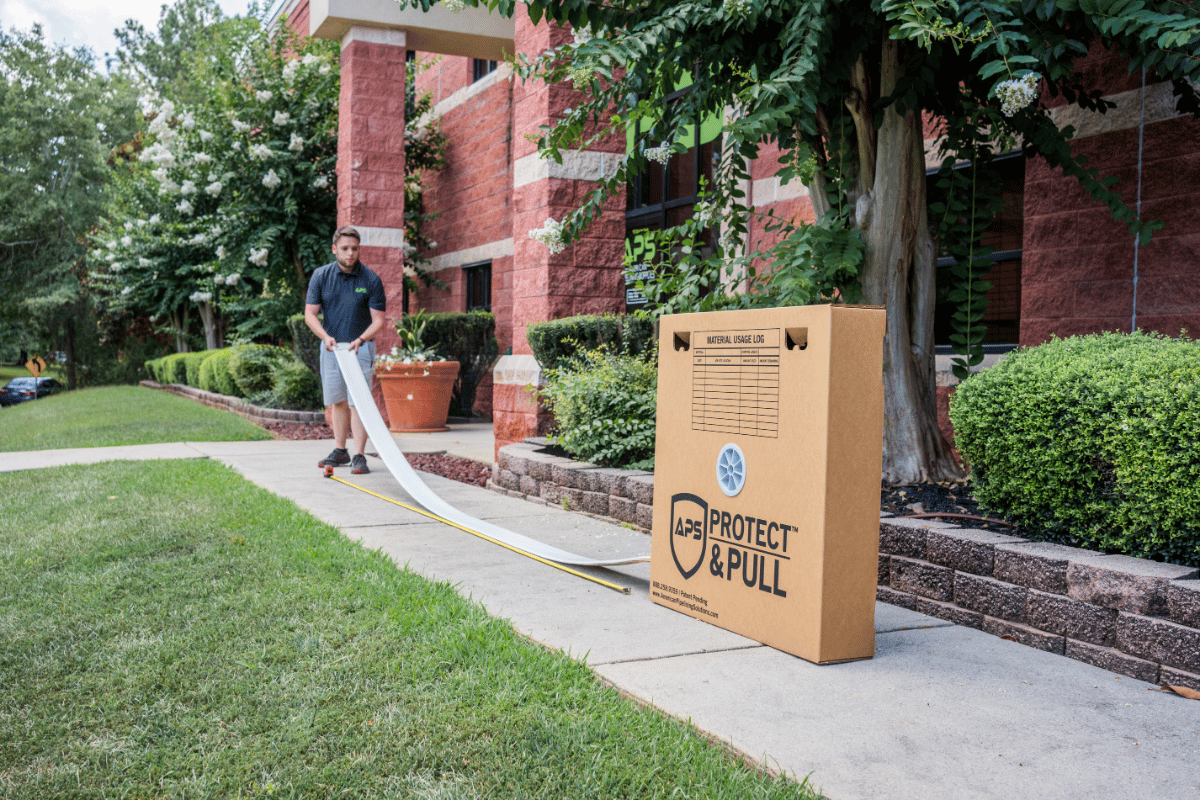
Good organization also means making information easier to access. Protect & Pull incorporates QR code access to installation manuals, SDS information, and resin calculators. Those resources can remain accessible alongside the liner rather than requiring technicians to search for information separately during preparation.
It is another small way to connect material management with the larger workflow. When crews are preparing for trenchless lining, they already have several things to coordinate. Keeping useful product and installation information accessible can simplify the process and give technicians another resource as they prepare material.
Do Not Treat CIPP Liner Storage as an Afterthought
A liner should not become important only when crews are ready to install it. From the time the material arrives until the final section is used, it needs to be stored, transported, handled, and prepared.
That entire process creates opportunities to protect the material and prevent unnecessary waste. Protect & Pull gives contractors a system designed around protecting their investment in materials.
By protecting liner from UV rays, abrasions, punctures, and environmental exposure, keeping material contained, allowing a single technician to measure and cut liner, tracking usage, and providing a way to recoil unused material, contractors can create a more organized approach to liner management.
CIPP liner storage should be part of the trenchless workflow - not something crews figure out after everything else has been loaded into the truck.
The APS Approach
At American Pipelining Solutions, we believe contractors should have access to complete solutions that support the entire pipe rehabilitation process.
That includes the liner and resin systems going into the pipe, the trenchless pipe lining equipment used throughout the project, and the supporting equipment that helps crews work more efficiently.
APS offers CIPP liner options for a variety of applications and curing methods, along with Protect & Pull for a smarter way to store, transport, measure, cut, and manage liner.
Protect & Pull helps shield liner from UV exposure, abrasions, punctures, and environmental conditions while keeping material contained and organized. A single technician can dispense, measure, and cut the liner needed for a project, record material usage on the integrated job log, and recoil remaining liner back into the box for storage.
Combined with the appropriate APS liner and resin solution, it helps contractors create a more complete trenchless workflow from material storage through installation.
It starts with how you manage it before the job ever begins. For help selecting the right liner, resin, or other trenchless equipment for your application, contact American Pipelining Solutions at (888) 258-9359.