Turning Expensive Repairs Into Easy Decisions
One of the biggest challenges many plumbing contractors face isn’t performing trenchless repairs - it’s helping homeowners understand why they’re worth the investment.
Most homeowners have never heard terms like CIPP lining, point repair, or pipe rehabilitation. They don’t care about resin chemistry or inversion drums. What they care about is solving their problem with as little disruption, stress, and uncertainty as possible.
The contractors who consistently win trenchless jobs aren’t necessarily the cheapest. They’re the ones who know how to communicate value.
Here’s how successful contractors position trenchless repairs so homeowners feel confident saying “yes.”
Start With the Problem, Not the Technology
It’s easy to get excited about trenchless equipment and explain how the process works.
Homeowners aren’t.
Instead of leading with:
“We’re going to install a cured-in-place pipe liner…”
Start with what they’re experiencing.
Talk about:
- Frequent backups
- Slow drains
- Root intrusion
- Cracked or broken sewer lines
- The risk of future failures
Once the homeowner understands the problem, they’re much more interested in hearing about the solution.
Remember: people buy solutions - not technology.
Explain What They’ll Avoid
Most homeowners assume sewer repair means tearing up the yard.
That’s often their biggest fear.
Instead of immediately talking about lining, explain what trenchless repair helps them avoid.
For example:
- Digging up landscaping
- Breaking driveways or sidewalks
- Damaging patios
- Extensive restoration
- Long periods without using their plumbing
Once they understand what’s not going to happen, the value of trenchless repair becomes much easier to appreciate.
A homeowner may not fully understand how a liner is installed, but they immediately understand the idea of keeping their favorite flower bed intact or avoiding the cost of replacing a concrete driveway. Those are tangible benefits that resonate long before the technical details do.
Reframe the Conversation Around Value, Not Price
One of the biggest mistakes contractors make is assuming the homeowner is only focused on the price of the repair.
In reality, homeowners are trying to answer a much bigger question:
“Is this the right decision for my home?”
When a customer immediately asks, “How much does trenchless cost?”, they’re often looking for reassurance - not just a number.
Instead of defending your price, help them understand what they’re receiving.
Explain that trenchless repair is designed to solve the problem while minimizing disruption to their property. Rather than spending time and money restoring landscaping, driveways, sidewalks, or patios after excavation, the repair focuses on restoring the pipe from within.
The goal isn’t to convince someone that trenchless is always less expensive.
The goal is to help them understand why many homeowners believe it’s the better overall investment.
When homeowners begin comparing the total value of the project - not just the quoted price - the conversation becomes much more productive.
Focus on Convenience
Price is only one part of a homeowner’s decision.
Convenience often carries just as much weight.
Many trenchless repairs can be completed much faster than traditional excavation while minimizing disruption to the property.
That means homeowners can often:
- Stay in their home
- Protect landscaping they’ve invested in
- Avoid coordinating multiple restoration contractors
- Get back to normal sooner
Time has value. Convenience has value. Peace of mind has value.
Helping homeowners recognize those benefits often changes the conversation from “How much does this cost?” to “How soon can we get started?”
Use Your Camera Inspection as a Sales Tool
One of the most powerful selling tools you already own is your inspection camera.
Don’t just tell homeowners their pipe is damaged.
Show them.
When customers can actually see:
- Cracks
- Offset joints
- Root intrusion
- Missing sections
- Heavy scale buildup
The conversation changes dramatically.
Instead of convincing them something is wrong, you’re helping them understand what they’re already looking at.
Visual proof builds confidence and trust.
If possible, walk them through the footage while it’s fresh. Point out the problem areas, explain what they’re seeing in simple terms, and answer questions as they come up. Homeowners don’t expect to become sewer experts—they simply want confidence that your recommendation is based on what was found inside their pipe.
Use Simple Language Instead of Industry Terminology
One of the fastest ways to lose a homeowner is by speaking like you’re training another plumber.
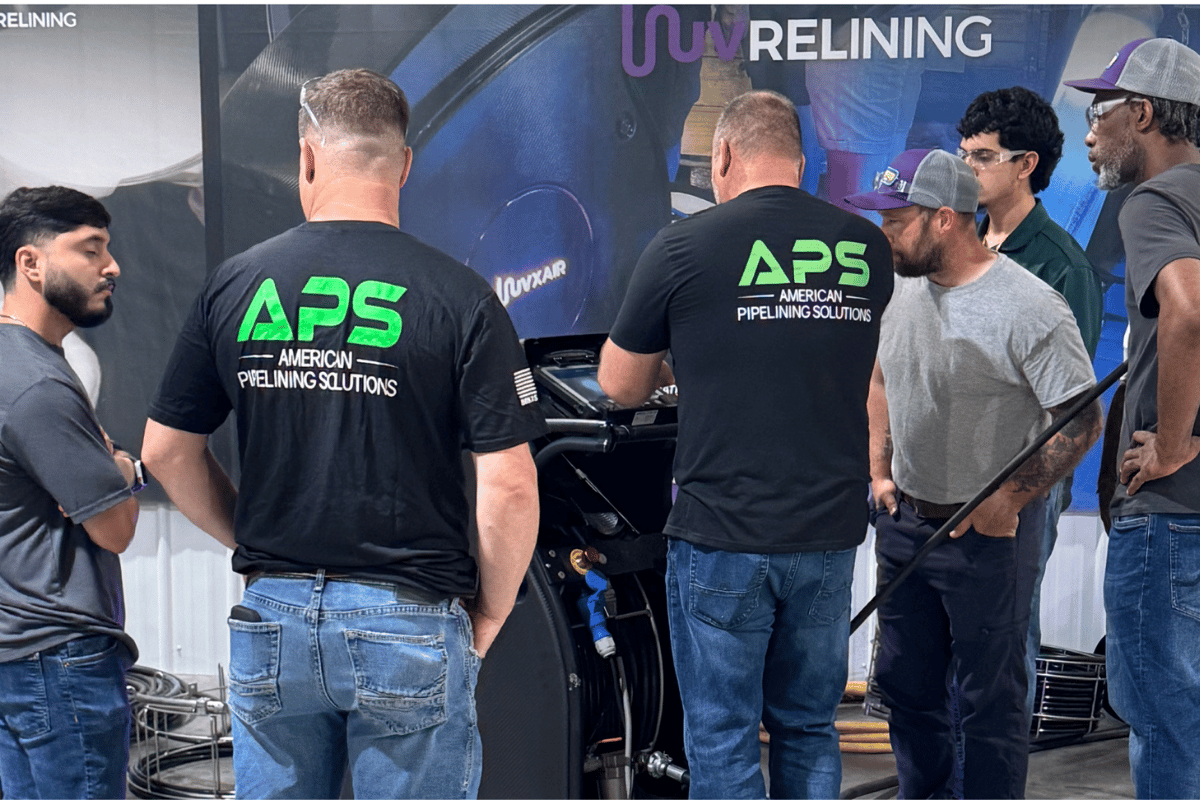
Terms like inversion, calibration hose, felt liner, UV curing, and host pipe may all be accurate - but they don’t help someone who simply wants their plumbing working again.
Instead, simplify your explanation.
Rather than saying:
“We’ll install a cured-in-place pipe liner.”
Try saying:
“We’re essentially creating a brand-new pipe inside your existing pipe without having to dig it up.”
That single sentence is something almost every homeowner can understand.
If they want more detail, they’ll ask.
Good communication isn’t about sounding knowledgeable.
It’s about making complex ideas easy to understand.
The easier your explanation is to follow, the more confident homeowners will feel in your recommendation.
Compare the Total Cost - Not Just the Repair Cost
Many homeowners hear one number and immediately compare it to traditional excavation.
Help them look at the complete picture.
Traditional excavation may also involve:
- Concrete replacement
- Landscaping repairs
- Sod replacement
- Irrigation repairs
- Fence removal
- Additional labor
- More days of disruption
Those expenses often come from multiple contractors and multiple invoices.
While every project is different, homeowners should understand that the plumbing repair is only one piece of the overall cost.
When they compare the entire project instead of just the plumbing estimate, trenchless repair often becomes a much easier decision to justify.
Set Expectations Before the Job Begins
Homeowners appreciate knowing exactly what will happen before work starts.
Take a few minutes to walk them through the process.
Explain:
- Where you’ll access the pipe
- How long the repair typically takes
- Whether water usage will be interrupted
- What they’ll see during installation
- What cleanup looks like afterward
Removing uncertainty helps reduce anxiety.
Nobody likes surprises - especially when it comes to work being performed in their home.
When homeowners know what to expect before your crew arrives, they’re typically more comfortable throughout the project and more satisfied once it’s complete.
Trust Is Built Long Before the Estimate
Many contractors think the estimate is where the sale happens. In reality, the decision often begins much earlier. Think about the homeowner’s experience. Were you on time? Did you wear clean uniforms? Did you explain what you found? Did you answer questions patiently? Did you provide camera footage?
Every interaction either builds confidence or creates doubt.
By the time you present the estimate, much of the homeowner’s decision has already been made.
Professionalism is one of the strongest sales tools you have.
The little things - returning phone calls promptly, respecting the customer’s property, and communicating clearly - often have just as much influence as the repair itself.
Offer Options Whenever Possible
Not every customer needs the same repair.
Some may benefit from:
- A localized point repair
- Full CIPP lining
- Obstruction Removal
- Traditional excavation
Presenting multiple options shows homeowners you’re recommending the solution that’s best for their home - not simply selling the most expensive service.
That builds long-term trust.
Even if they choose a less extensive repair today, they’re more likely to call you again because they know your recommendations were based on their needs - not your sales goals.
Don’t Sell a Repair - Sell Peace of Mind
Most homeowners don’t wake up wanting to buy sewer repairs.
They’re buying relief. Relief from backups. Relief from uncertainty. Relief from worrying whether the problem will return.
When you keep that perspective, your conversations naturally become less about selling and more about helping.
The repair simply becomes the vehicle that delivers the outcome they’re really looking for.
When homeowners feel understood rather than pressured, they’re much more likely to trust your recommendation and move forward with confidence.
The APS Approach
At American Pipelining Solutions, we believe the best trenchless contractors aren’t simply skilled installers - they’re trusted advisors.
Today’s homeowners have more information than ever before, but they also have more questions. Contractors who take the time to educate instead of pressure customers often build stronger relationships, earn more referrals, and grow their trenchless business over the long term.
That’s why APS is committed to supporting contractors beyond the sale. From hands-on training through APSTA to technical support, equipment, materials, and ongoing education, we’re dedicated to helping contractors build their knowledge, sharpen their skills, and advance the trenchless industry with confidence.
When homeowners understand the value of trenchless rehabilitation, they make better decisions. Contractors close more jobs with confidence. And the industry continues to grow through trust, education, and quality workmanship.\