Building Your Trenchless Toolkit Without Overcomplicating the Process
One of the most common questions contractors ask when exploring trenchless rehabilitation is:
“What equipment do I actually need to start offering CIPP lining?”
The answer depends on the types of installations you plan to perform, the curing method you choose, and the size of the projects you want to tackle. While many contractors assume they need a massive investment and a warehouse full of specialized equipment before getting started, the reality is often much simpler.
At American Pipelining Solutions, we work with contractors every day who are adding trenchless rehabilitation services for the first time. Some begin with point repairs, others jump directly into full-length residential sewer lining, and many expand into UV curing systems as their business grows.
The key is understanding which equipment is essential, which equipment improves efficiency, and which equipment can be added later as your capabilities expand.
Start With the Basics: Inspection Equipment
Before any liner is installed, the pipe must be properly evaluated.
A quality sewer camera allows contractors to assess pipe condition, identify offsets, locate bends, determine installation lengths, and verify the success of the repair once the installation is complete.
For most contractors entering the trenchless market, inspection equipment is the foundation of every installation. Accurate information leads to accurate material selection, installation planning, and customer confidence.
Without reliable inspection equipment, even the best lining system becomes much harder to use effectively.
Pipe Preparation Equipment
Once the pipe has been properly inspected, the next step is preparing it for rehabilitation.
. Before any CIPP installation begins, contractors must ensure the host pipe is free of roots, scale buildup, protruding taps, concrete, and other obstructions that could interfere with installation or affect the long-term performance of the repair.
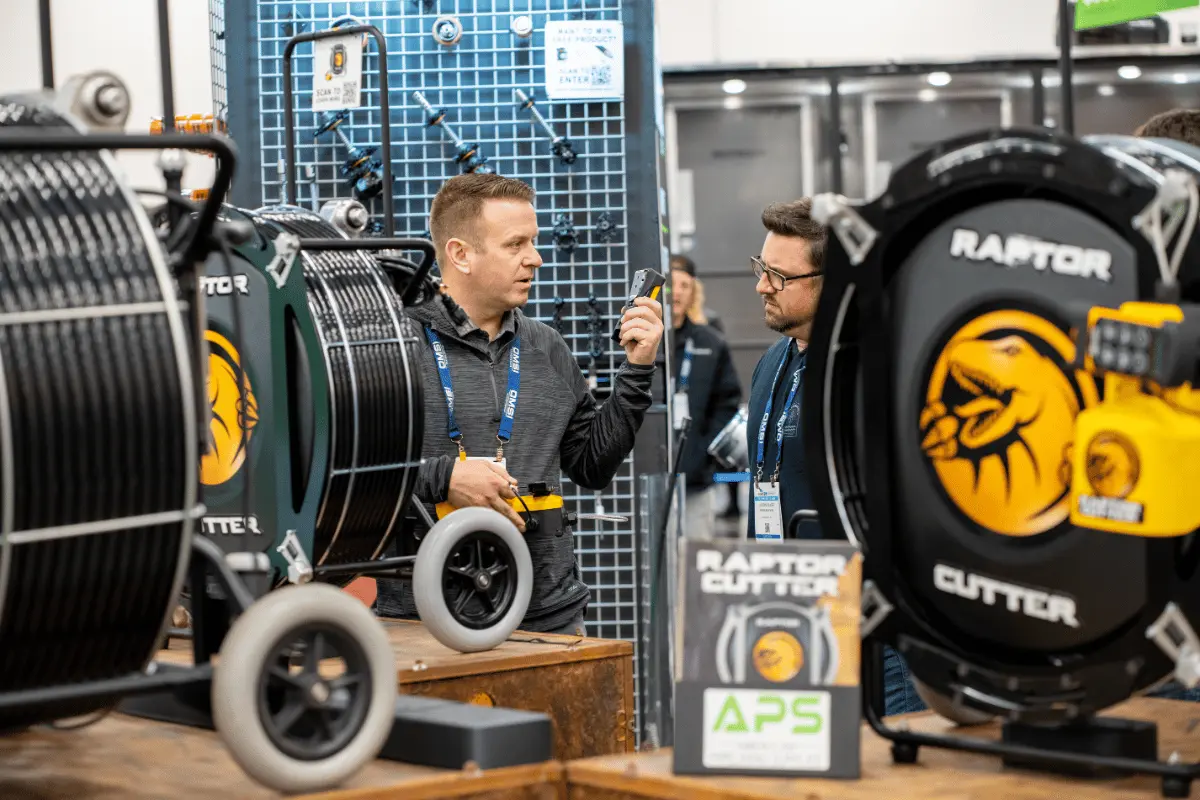
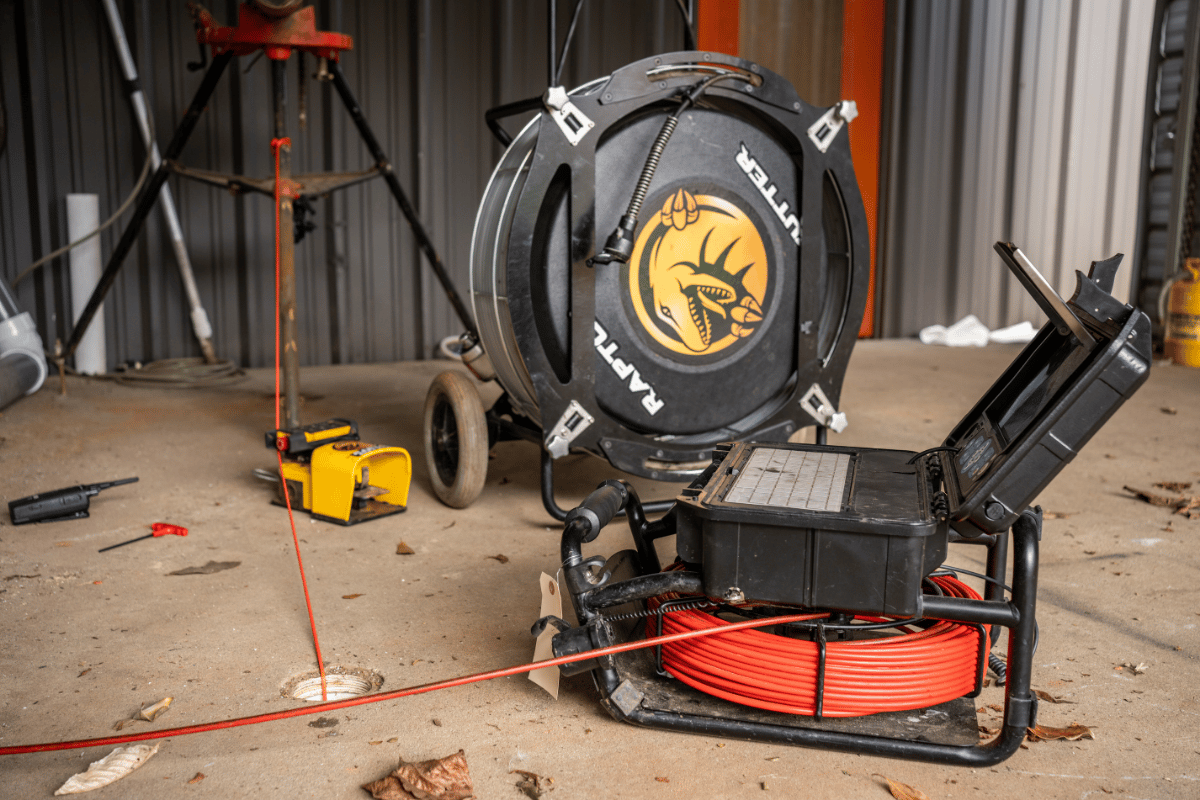
This is where equipment like the Raptor Cutter becomes a valuable part of the trenchless toolkit.
The Raptor Cutter is designed to help contractors prepare pipes for rehabilitation by removing roots, mineral deposits, concrete, failed liners, and other obstacles commonly found in aging sewer systems. Its compact design and interchangeable reel system allow operators to tackle a wide range of pipe sizes and jobsite conditions without needing multiple machines.
For contractors offering CIPP lining, a milling system can help:
- Reopen blocked or restricted pipe sections
- Remove other obstructions before liner installation
- Prepare host pipes for optimal liner fitment
- Perform reinstatements after a lining installation
\
Successful CIPP installations don’t start with the liner - they start with proper pipe preparation. Having the right tools to clean, restore, and prepare the host pipe can make the installation process smoother, more predictable, and ultimately more profitable.
Liner & Resin Materials
The next requirement is the liner and resin system itself.
The liner serves as the delivery and containment of the resin, while the resin creates the structural strength of a hardened pipe within the host pipe once cured.
The materials you select should be based on:
- Pipe diameter
- Pipe condition
- Number of bends and transitions
- Installation length
- Desired curing method
Whether using felt liners, fiberglass liners, epoxy resins, UV resins, or silicate systems, choosing materials that fit the application is one of the most important decisions in the installation process.
The goal isn’t finding one material that works for every job. It’s selecting the right material combination for the specific conditions you’re facing.
Installation Equipment
Once materials are selected, you’ll need a way to position the liner inside the pipe.
Depending on the application, this may include:
- Inversion drums
- Calibration tubes
- Pull-in-place equipment
- Point Repair Packers
- Push rods
- Air hoses and auxiliary equipment
For contractors performing point repairs, systems like Versa-Patch allow repairs to be completed with relatively minimal equipment while still delivering a structural repair.
For full-length lining applications, installation equipment becomes more specialized depending on liner length, diameter, and curing method.
Air Supply
Many trenchless rehabilitation systems rely on compressed air.
Air is commonly used to:
- Invert liners
- Inflate packers
- Pressurize calibration tubes
- Operate UV patching systems
- Support curing equipment
- Operate robotic Cutters
- Cool large equipment
The required compressor size varies depending on the equipment being used.
For example, APS’s Versa-Light UV curing system requires as little as 5 CFM for smaller diameter repairs, making it accessible to many contractors who already own suitable air equipment.
Before purchasing any lining system, it’s important to understand the air requirements and ensure your existing equipment can support the installation process, or you have budgeted appropriately to purchase equipment that can
Choosing a Cure Method
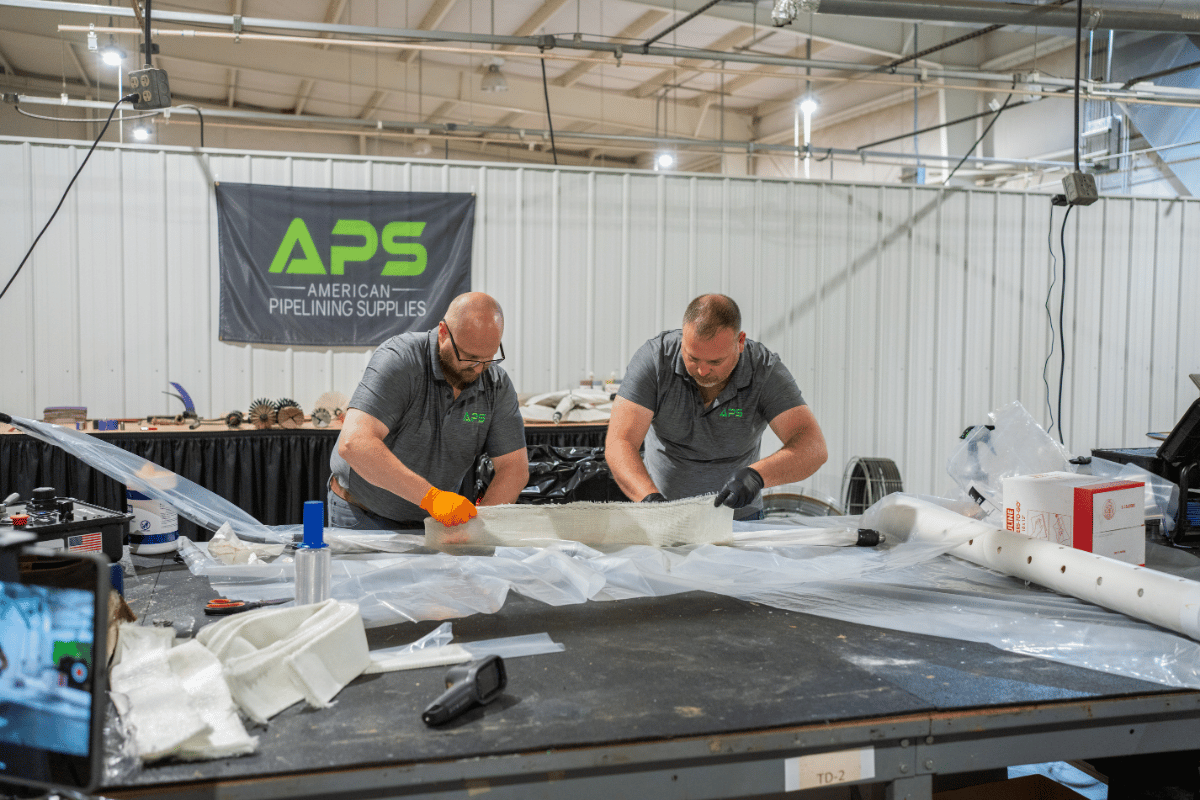
The curing method you select often has the biggest impact on the equipment required.
Different curing methods require different support equipment, training, and workflow considerations.
Ambient Cure
Ambient curing requires the least amount of specialized equipment and can be a cost-effective entry point for some contractors. The material is cured by the ambient air around it, giving you a wider range of cure times depending on pipe diameter as well as outside factors like ground or air temperature. However, cure times are longer and can be heavily influenced by environmental conditions.
Hot Water & Steam Cure
Hot water and steam curing systems require some additional support equipment but offer faster curing times and greater temperature control, and can be used with any exothermic resin.
These methods remain common throughout the industry and can be highly effective when performed by trained installers.
UV Cure
UV curing systems have become increasingly popular because they provide exceptional control over the curing process.
Unlike traditional resin systems that begin curing immediately after mixing, UV resin remains stable until exposed to light. This gives installers more time for positioning and setup while maintaining predictable cure performance.
That control over the curing does come at a cost - UV systems are often the most expensive curing systems available.
Training Matters Just as Much as Equipment
One of the biggest mistakes contractors make when entering the trenchless industry is focusing solely on equipment.
The most successful installers understand that training is just as important as the tools themselves.
Proper training helps contractors:
- Avoid installation mistakes
- Improve material selection
- Increase productivity
- Reduce material waste
- Build customer confidence
- Protect profitability
Even the most advanced equipment cannot replace a well-trained technician who understands how liners, resins, pressure, curing, and pipe conditions work together.
That’s why APS provides hands-on training through APSTA, the American Pipelining Solutions Training Academy, helping contractors develop the skills needed to perform installations confidently and consistently.
You Don’t Need Everything on Day One
Perhaps the biggest misconception about entering the CIPP market is that you need every piece of equipment immediately.
Most successful trenchless contractors start with a focused service offering and expand over time.
Many begin with:
- Inspection equipment
- Point repair capabilities
- Basic lining materials
- Training and support
As their business grows, they add additional curing systems, larger diameter capabilities, advanced rehabilitation tools, and specialized equipment.
The best trenchless businesses aren’t built overnight. They’re built by adding capabilities strategically and investing in equipment that supports real customer demand.
The APS Approach
At APS, we believe contractors should have access to trenchless solutions that fit their business today while giving them room to grow tomorrow.
Whether you’re interested in point repairs, full-length CIPP lining, UV curing, or advanced rehabilitation systems, our goal is to help you build equipment that matches your workload, budget, and long-term goals.
With the right combination of equipment, materials, training, and support, offering CIPP lining can become a practical and profitable addition to your business.
The question isn’t whether you need every piece of equipment available.
The question is which equipment will help you complete your first successful installation - and what you want to add next.
\