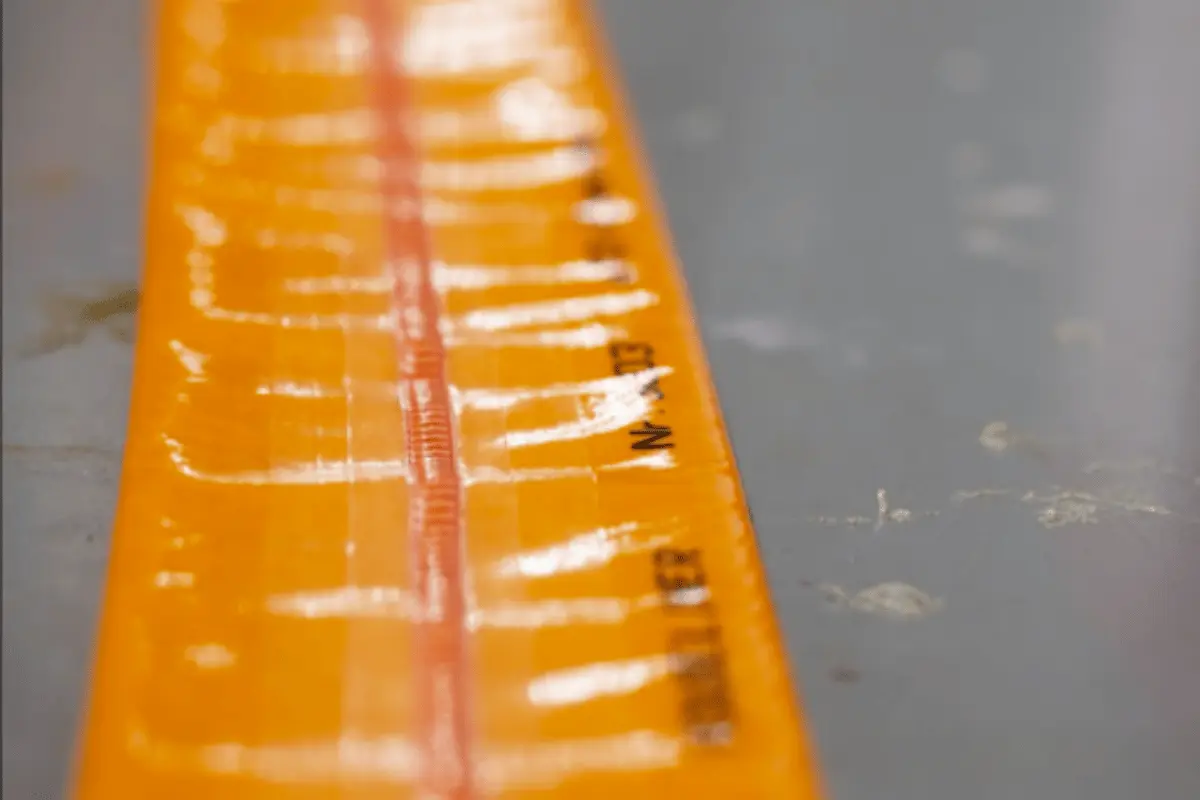
In trenchless rehabilitation, one of the most important decisions you can make before installation begins is selecting the correct liner and resin materials for the application. The success of a CIPP installation is not solely dependent on installation technique - it starts with choosing materials that fit the condition of the pipe, the geometry of the drainage line, the environment you’re working in, and the goals of the repair itself.
At American Pipelining Solutions, we offer multiple liner and resin options through the Houseliner product family designed to give installers flexibility across a wide range of trenchless applications. Whether you’re lining a straight residential sewer lateral, navigating transitions and bends, or dealing with heavily deteriorated host pipe conditions, choosing the correct material combination can dramatically improve installation efficiency, inversion control, and long-term results.
One of the biggest misconceptions in trenchless rehabilitation is that there is a single “best” liner for every installation. In reality, every liner involves tradeoffs between flexibility, structural strength, resin consumption, inversion behavior, and installation simplicity. The goal is not to force the same lining materials and resin to every job- it is to choose the combination that best fits the conditions of the pipe and the goals of the repair.
Start with the Pipe Condition
Before selecting a liner, installers should evaluate several key conditions inside the host pipe:
- Diameter consistency or transitions
- Number and severity of bends
- Presence of offsets or intrusions
- Structural condition of the host pipe
- Access limitations
- Installation length and placement accuracy requirements
These factors determine whether a more rigid dimensional liner or a highly transitional material will perform best.
For example, a pipe with multiple diameter transitions and sweeping bends requires a different material than a straight pipe with consistent dimensions. Trying to force the wrong liner into the wrong environment often leads to unnecessary stretching, wrinkling, difficult inversions, poor final fitment, or inaccurate landing points.
That is why APS offers multiple liner materials instead of taking a one-size-fits-all approach.
Houseliner FL
APS’s Premiere Transitional Liner
Houseliner FL is APS’s premiere, go-to liner because it is specifically designed to handle transitions, bends, and variable pipe conditions while still maintaining excellent inversion characteristics. Constructed from 100% PES fiber with a TPU (Thermoplastic Polyurethane) coating, FL is engineered to move through difficult systems without the frustration of uncontrolled stretch or shrinkage.
This makes FL ideal for:
- Residential sewer laterals
- Multiple-diameter transitions
- Bends and offsets
- Long inversion shots requiring predictable placement
- Installations where accurate landing points are critical
One of the biggest advantages of FL material is inversion precision. The liner inverts cleanly and predictably, allowing installers to land accurately at both the starting and stopping points in the pipe. This becomes especially important on reinstatement-sensitive jobs or applications where exact placement matters.
FL also features a rapid wet-out process and efficient resin consumption, helping reduce prep time while maximizing working time in the field. For crews looking to improve workflow efficiency, this can make a major difference over the course of a work week.
Another major advantage of FL is curing flexibility. Houseliner FL is compatible with ambient, hot water, steam, UV, and IR curing methods up to 175°F (80°C), giving contractors flexibility across a wide variety of installation environments.
However, like any liner system, FL involves tradeoffs. While extremely versatile, FL is not recommended for use with silicate resins, making resin selection an important consideration during material planning.
If you’re dealing with a pipe system that is inconsistent, difficult to navigate, or contains multiple transitions, Houseliner FL is typically one of the most versatile and installer-friendly choices available.
Houseliner FLT
Extreme Flexibility for Small-Diameter Applications
While FL and FLT share many similarities, FLT is specifically optimized for smaller diameter pipe systems where extreme flexibility is required.
Constructed from 100% PES fiber with a PU (Polyurethane) coating, FLT is one of APS’s most flexible liners and is designed specifically for 2”–6” applications that demand exceptional maneuverability through bends and transitions.
FLT is especially well-suited for:
- Tight residential laterals
- Multiple bends in small-diameter systems
- Crews prioritizing flexibility and fast wet-out times
Its thinner construction - curing at approximately 2mm thick - allows FLT to navigate difficult systems exceptionally well while also reducing resin consumption during wet-out.
Like FL, FLT supports multiple curing methods including ambient, hot water, steam, UV, and IR curing.
The tradeoff is that FLT prioritizes flexibility over structural thickness. Because of its thinner needle-punch construction, it is not typically the strongest structural liner option in the APS lineup. It is also not recommended for use with silicate resins.
For installers working primarily in smaller-diameter residential systems with tight pipe configurations, FLT can provide exceptional installation ease and flexibility.
Houseliner FIX
Ideal for Straightforward, Fixed-Diameter Applications
Houseliner FIX is a non-transitional polyester liner made from 100% PES fiber with a TPU coating. FIX is optimized for applications where the pipe diameter remains consistent throughout the installation and is ideal for simpler, one-dimensional shots.
FIX performs especially well in:
- Straight pipe runs
- Consistent diameter systems
- Simpler residential repairs
- Installations where rapid preparation is desired
- Jobs where extremely predictable liner positioning is important
One of the major benefits of FIX is installation simplicity. Because the material is dimensionally stable and non-transitional, calculations for resin consumption, liner placement, and preparation are straightforward. This allows crews to move quickly and efficiently without overcomplicating setup.
FIX can still navigate bends reasonably well, but it is generally best suited for pipe lines that do not contain any diameter changes or require extreme flexibility.
Like FL and FLT, FIX is compatible with ambient, hot water, steam, UV, and IR curing methods up to 175°F (80°C).
However, FIX is also not recommended for use with silicate resins, making resin compatibility another important consideration during planning.
For installers who primarily handle straight residential laterals or standard pipe diameters, FIX can be an extremely efficient and cost-effective option.
Fiberglass Liners
When Higher Structural Performance Is Required
APS also offers fiberglass liner options in both coated and uncoated configurations.
Fiberglass liners are commonly selected when increased structural strength, rigidity, and tensile performance are priorities.
Fiberglass materials are often preferred in:
- Heavily deteriorated host pipes
- Structurally compromised systems
- Applications requiring increased stiffness
- Larger-diameter pipe lines (6”+)
- Municipal or engineered specifications
- Point repair applications requiring higher strength
Compared to traditional felt liners, fiberglass materials provide enhanced mechanical properties and greater structural capability for demanding rehabilitation environments. Fiberglass also performs exceptionally well in UV curing applications because light refracts through the fiberglass material and penetrates deeper into the liner during cure.
APS fiberglass systems are compatible with all resin types and are especially popular in UV curing applications due to their light transmission characteristics and structural performance.
It is important to note that certain fiberglass configurations may require different installation methods. For example, uncoated fiberglass liners cannot invert independently and must be pulled in place and pressurized utilizing a calibration tube in a two-step process.
\
Fiberglass liners typically are preferred in larger diameter applications (6”+) and are avoided in smaller diameters, as fiberglass struggles to invert in smaller diameters due to its added stiffness. Depending on the diameter change, fiberglass can transition between pipe sizes and go around bends, but is prone to wrinkling in bends in certain scenarios or if not installed under enough pressure.
For contractors entering larger-scale rehabilitation or more structurally demanding applications, fiberglass systems can provide added strength and long-term performance.
Choosing the Right Resin
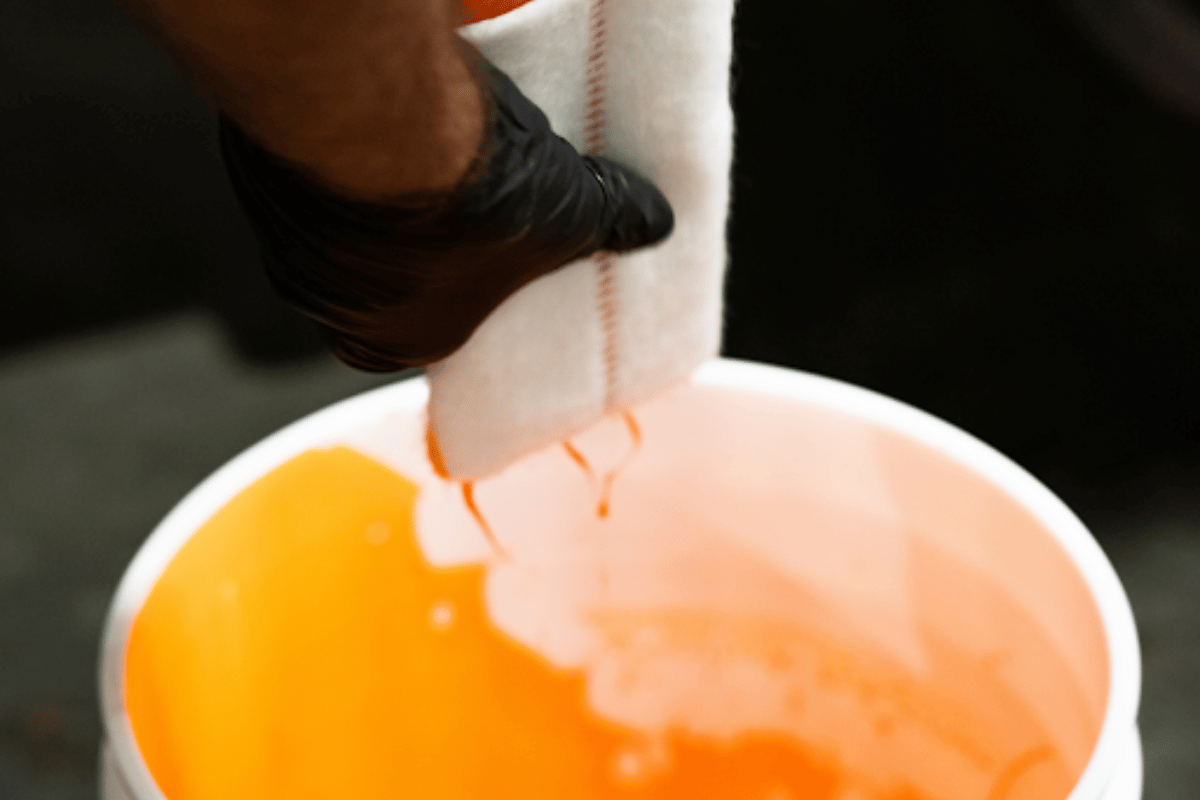
Not All Resin Systems Behave the Same
Selecting the correct resin is just as important as selecting the correct liner.
Different resin systems behave very differently in terms of:
- Working time
- Cure speed
- Water sensitivity
- Temperature resistance
- Structural performance
- Chemical resistance
- Installation flexibility
Understanding these differences helps installers choose systems that fit the demands of the jobsite rather than forcing every application into the same workflow.
Epoxy Resin
High Strength & Long-Term Structural Performance
Epoxy systems are commonly preferred when long-term structural performance and watertight results are the priority.
Key advantages of epoxy include:
- High structural strength
- Excellent bonding characteristics
- 100% solids once cured
- 50+ year life expectancy when installed correctly
- Multiple curing method compatibility
- Completely watertight final product when properly cured
Epoxy systems work well with ambient, hot water, steam, and IR curing methods.
However, epoxy systems are generally more sensitive to water infiltration during the curing process and can soften at elevated temperatures compared to some alternative resin systems.
For many structural rehabilitation applications, epoxy remains one of the most widely used and trusted resin systems in trenchless rehabilitation.
Silicate Resin
Fast Cure & Higher Temperature Resistance
Silicate resin systems offer several unique advantages, particularly in environments where higher temperature resistance or difficult infiltration conditions exist.
Silicate systems offer:
- Rapid cure behavior
- Higher temperature resistance compared to epoxy
- Compatibility with multiple curing methods
- Ability to cure in environments with minor active water infiltration
- Strong performance in many patching applications
In active infiltration environments, silicate patching systems can often be used to help control water intrusion before a full liner installation using another resin system.
Unlike epoxy systems, silicate resins cure with a rapid increase and decrease in temperature, which can accelerate installation timelines.
However, silicate systems are not recommended for use with Houseliner felt materials and generally do not provide the same tensile strength as epoxy or UV systems.
UV Resin
Predictable Working & Cure Times
UV resin systems are popular because they provide installers with exceptional control over working and cure times.
Advantages include:
- One-part resin system
- No mixing required
- High chemical resistance
- Predictable curing process
- Excellent workflow control
- Higher temperature resistance than many standard epoxy systems
One of the biggest advantages of UV curing is not necessarily cure speed - it is controllability. Crews can take the time needed for positioning and setup without the resin beginning to cure prematurely, then initiate curing when ready. Curing speed is dependent on liner diameter and the curing system’s recommendations.
However, UV systems require complete protection from sunlight prior to curing and will only cure resin that is directly exposed to light.
UV systems, when cured and cooled while under pressure, can also be watertight.
The Cure Method Matters More Than Most Installers Realize
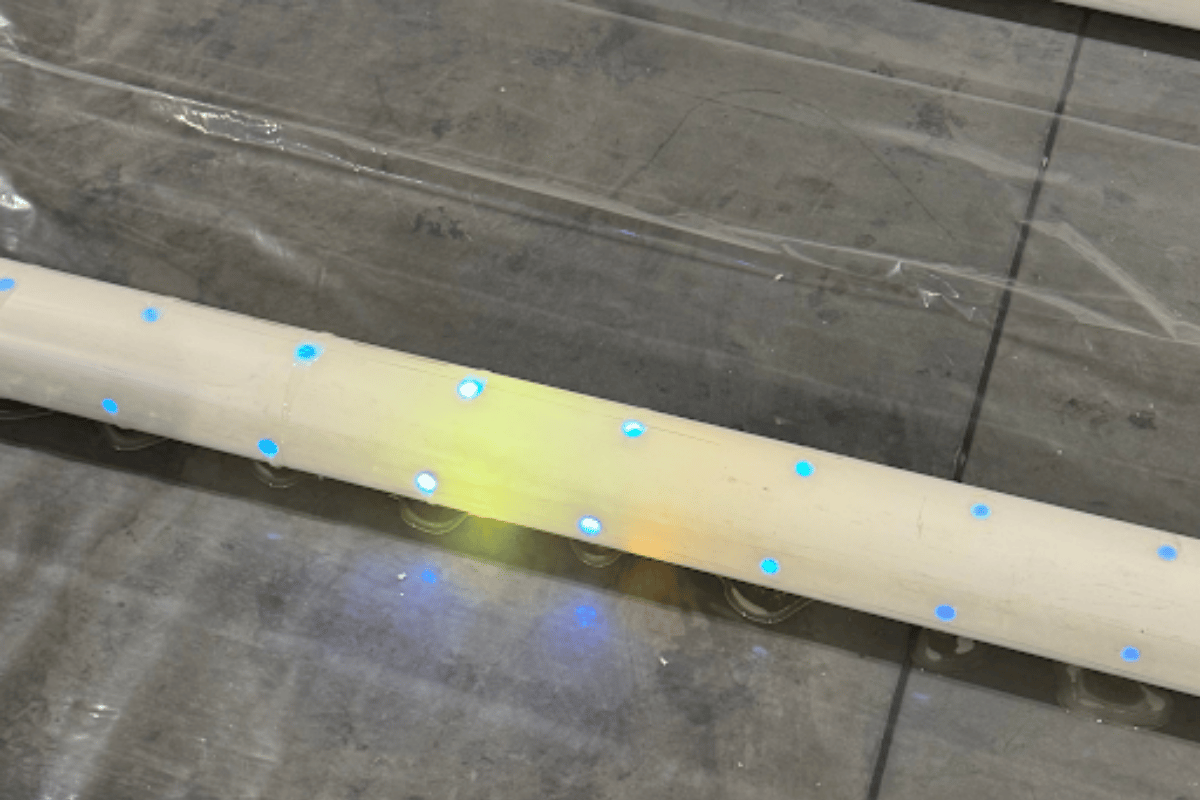
The curing method used on a project can dramatically affect workflow, equipment requirements, liner compatibility, and final installation results.
Ambient Cure
Ambient curing is simple and low-cost because it requires minimal equipment. Iit is also the slowest curing option and is heavily affected by surrounding temperatures.
Hot Water Cure
Hot water curing allows installers to regulate curing temperature more precisely while accelerating cure speed compared to ambient systems. It remains one of the most common curing methods for inversion lining applications. When used correctly by an experienced technician, hot water curing can be the fastest curing method available.
Steam Cure
Steam curing provides excellent temperature control and works particularly well in vertical applications, though it typically requires more equipment and operator experience. Similar to hot water cures, steam can be among the fastest curing options available.
UV Cure
UV curing offers unmatched control over working and curing times, making it extremely attractive for crews focused on predictability and workflow management. Depending on the liner length and diameter, UV curing can be among the fastest curing options available.
Infrared (IR) Cure
IR curing systems like Versa-Light can dramatically accelerate curing timelines while maintaining compatibility across multiple liner and resin configurations. In many applications, IR curing can reduce standard cure times by 50% or more.
The APS Approach
At APS, we believe trenchless installation becomes easier, safer, and more profitable when contractors have the right combination of materials, training, and support.
That is why we offer multiple liner constructions rather than forcing installers into a single solution for every application.
From transitional felt liners and fiberglass systems to resin compatibility, UV and IR curing options, and hands-on training through APSTA, APS is focused on helping installers choose systems that fit real-world jobsite conditions - not just catalog specifications.
Choosing the correct liner and resin combination can improve inversion control, reduce installation headaches, minimize waste, shorten prep time, and ultimately increase profitability on the job.
For contractors looking to improve consistency and confidence in the field, material selection is one of the most important places to start.